
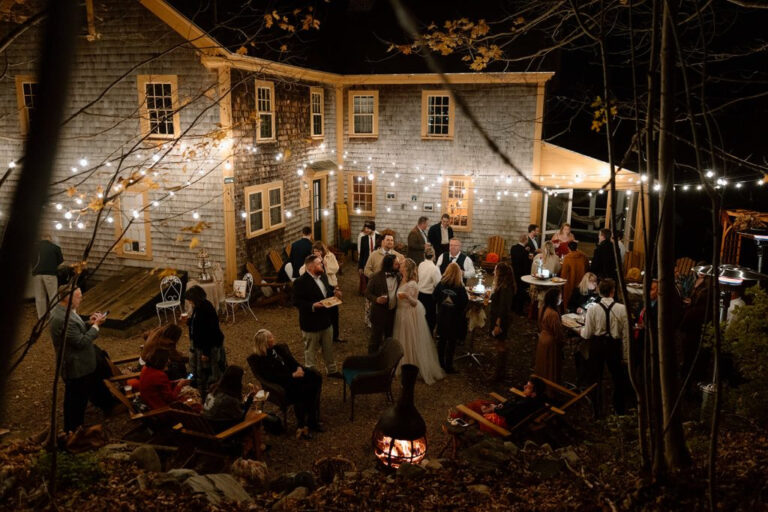
Planning a special day can be exciting yet overwhelming. Many couples today are opting for a private wedding, where the focus is solely on their vows. This intimate setting allows for a deeper emotional connection between the couple, free from distractions.
However, many still wish to celebrate with family and friends afterward. This is where the idea of a big reception comes into play. Combining a small, personal ceremony with a larger celebration is becoming a popular trend. It offers the best of both worlds, allowing couples to cherish their private moment while sharing joy with loved ones.
Clear communication is essential in this planning process. Couples must ensure that guests understand the nature of the event to avoid any confusion. Thoughtful coordination of timelines and venues will create a seamless transition from the intimate exchange of vows to the lively reception.

Understanding the Concept of a Private Wedding Ceremony
Every wedding tells a story, and the format can vary greatly based on the couple’s preferences. A small wedding is often defined by its exclusivity. This means that only the couple, the officiant, and perhaps a photographer are present for the exchange of vows. This creates an atmosphere of complete intimacy.
Unlike traditional weddings that may host dozens or even hundreds of guests, a small wedding strips away external pressures. This allows the couple to focus entirely on each other during their special day.
Key characteristics of such a ceremony include personalized vows, flexible timing, and the freedom to choose unconventional venues. Couples can select locations that hold personal significance without worrying about guest accommodations.
One major difference from traditional weddings is that couples do not need to manage a large guest list during the ceremony. This significantly reduces logistical stress and allows for a more relaxed experience.
While private weddings often draw inspiration from elopements, they differ in that couples frequently plan a separate reception to include family and friends later. Traditional ceremonies usually follow a structured timeline with guests witnessing every moment. In contrast, a private ceremony can unfold at the couple’s own pace, free from an audience.
The legal requirements for a private wedding remain the same as any marriage. Couples must obtain a license and have an officiant present. However, the experience is far more secluded and personal.
Couples who choose this route often value authenticity over spectacle. They prioritize meaningful moments over elaborate productions. Understanding these distinctions helps couples articulate their vision to vendors, family members, and guests who may be unfamiliar with the concept.
This foundational knowledge sets the stage for planning a celebration that honors both the private commitment and the public declaration of love.
Benefits of Having a Private Wedding Ceremony
Choosing a smaller scale for a wedding can lead to numerous benefits for couples. One of the most significant advantages is the intimacy it provides. Couples can be fully present with each other, sharing their vows without the distraction of a large audience. This creates a genuine atmosphere where emotions can flow freely.
Additionally, an authentic experience emerges when couples are free from the pressure to conform to traditional expectations. They can design a ceremony that truly reflects their relationship, allowing for personal touches that might be overlooked in larger gatherings.
Budget-friendly advantages are also noteworthy. By eliminating guests from the ceremony, couples can significantly reduce costs associated with venue size, catering, and seating. This allows them to redirect saved funds toward splurging on a dream photographer, a luxurious honeymoon, or a more elaborate celebration for their loved ones later.
Flexibility is another key benefit. Couples can choose unique times for their ceremony, such as a sunrise event on a weekday or a sunset elopement on a date that holds special meaning. This flexibility extends to location as well, opening up possibilities like secluded beaches, mountaintops, or even a backyard setting.
Finally, reduced stress is one of the most compelling reasons to opt for a smaller wedding. Couples can avoid the anxiety of managing guest dynamics, seating charts, and the pressure to entertain throughout the ceremony. Without guests present, they are free from unsolicited opinions about how the day should unfold.
These combined benefits make a small wedding an appealing choice for couples who value meaning over magnitude on their special day.
Planning a Private Wedding Ceremony Alongside a Big Reception
Many couples are now finding joy in blending an intimate ceremony with a grand celebration. This approach allows them to enjoy the best of both worlds: a heartfelt exchange of vows in a pressure-free setting, followed by a lively gathering with their loved ones.
This method addresses a common concern. Many worry that a small wedding might leave family and friends feeling excluded. However, the beauty of this arrangement is that couples can still include their loved ones in meaningful ways. They can involve them in the planning process or host a party after the event.
Why Combine a Private Ceremony with a Large Celebration?
The private ceremony becomes a sacred moment, allowing couples to focus solely on each other. Meanwhile, the reception transforms into a joyous occasion where guests can share in the couple’s happiness. This dual approach helps to foster a sense of community and support.
Managing Guest Expectations and Involvement
Honest communication is vital. Couples should inform guests early on about the private nature of the ceremony. This ensures no one arrives expecting to witness the vows. Clear wording on invitations can help distinguish between the ceremony and the reception, setting the right tone from the beginning.
Additionally, couples can share photos or a video of the private ceremony during the reception. This allows guests to feel included in the intimate moment they missed. Such gestures can strengthen relationships and show that the couple values their guests’ presence at the celebration.
Ultimately, when managed thoughtfully, this structure not only enriches the couple’s experience but also honors the people who support them. The reception can be personalized with decor, food, and entertainment that reflect the couple’s unique story.
Setting Your Wedding Budget for Both Ceremony and Reception
Creating a budget for your special day can set the tone for a stress-free experience. Couples should begin by identifying their total spending limit. This step is crucial as it allows for strategic allocation of funds between the private ceremony and the big reception.
Allocating Funds for Venue, Food, and Photography
The private ceremony typically requires less funding. With fewer guests, couples can allocate more of their budget toward the reception, where most loved ones will gather. Venue costs can be minimal if couples choose free public locations like national parks or family properties.
On the other hand, the reception venue will likely consume a significant portion of the budget. Food expenses shift almost entirely to this event, where catering for a large group becomes one of the biggest line items. However, couples may still enjoy a special meal during their private ceremony.
Photography is another area where couples should avoid cutting corners. A skilled photographer is essential for capturing both the intimate moments and the lively reception festivities. Many photographers offer packages that cover multiple events, making it cost-effective to hire one professional for both occasions.
Balancing Splurges and Savings
Finding the right balance between splurges and savings is key. Couples should identify what matters most to them. For instance, investing in a stunning reception venue can create lasting memories, while saving on ceremony decor by letting nature serve as the backdrop can be just as beautiful.
Additionally, couples can save on attire by choosing simpler outfits for the ceremony. They can reserve more elaborate attire for their grand entrance at the reception. Travel and accommodation costs should also be factored in, especially if the private ceremony takes place at a destination far from the reception site.
A well-planned budget ensures that neither event feels compromised. This allows couples to enjoy both experiences without financial regret.
Choosing the Perfect Venue for a Private Wedding Ceremony
Selecting the right venue is crucial for creating an unforgettable experience on your special day. The venue should reflect the couple’s style and preferences while ensuring intimacy. Establishing criteria that prioritize accessibility and personal significance can guide couples in making the best choice.
Criteria for Selecting Intimate Ceremony Locations
When choosing a location, couples should consider whether they want an outdoor setting with natural beauty or an urban location with architectural charm. A meaningful space tied to their relationship history can also enhance the experience.
Popular Outdoor and Unique Venues in the United States
Many couples are drawn to outdoor venues that offer breathtaking landscapes. National parks like Yosemite in California and Great Sand Dunes in Colorado are popular choices, providing permit options for small ceremonies.
Unique venues such as Sapphire Point Overlook in Dillon, Colorado, offer stunning mountain and lake views with easy accessibility. This makes them ideal for couples who want picturesque scenery without a strenuous hike.
Piney River Ranch near Vail, Colorado, sits above 10,000 feet next to a glacial lake. It provides cabins, canoes, and hiking trails for couples who wish to extend their ceremony into an adventure.
The Denver Botanic Gardens offers multiple ceremony options within a lush, cultivated setting. This location is easily accessible for couples and any vendors they hire.
Incorporating Meaningful Spaces for Couples
Choosing a location that holds sentimental value can make the ceremony even more special. This might include the site of a first date, a favorite hiking trail, or a family property.
Couples should also research permit requirements, seasonal accessibility, and any restrictions on photography or officiants when evaluating potential locations. The venue for the intimate ceremony does not need to accommodate guests, which expands the range of possible locations to include secluded beaches, forest clearings, and mountaintops.
Ultimately, the chosen venue should resonate with the couple’s story and provide a backdrop that enhances the emotional significance of their vows.
Selecting an Appropriate Reception Venue
Choosing the right venue for a reception is essential for creating a memorable celebration. This decision impacts not only the atmosphere but also the comfort of all guests attending. Couples should prioritize finding a space that accommodates their full guest list, allowing room for dining, dancing, and socializing without feeling cramped.
Large spaces such as banquet halls, barns, outdoor pavilions, and lodge reception areas provide the square footage needed for a big celebration. These venues also allow for creative layout designs that enhance the overall experience. For instance, venues like River Bend at Lyons in Colorado offer sprawling grassy fields by a river, complete with outdoor dance floors and fire pits, creating an inviting atmosphere for evening mingling.
Another great option is Grand Lake Lodge, which features a reception space nestled among evergreens and aspens. This setting provides spectacular views, making guests feel immersed in nature while enjoying the comforts of a well-appointed venue.
Ensuring Cohesion Between Ceremony and Reception Locations
To create a seamless experience, couples should consider thematic consistency between the private ceremony location and the reception venue. This could mean maintaining a rustic, elegant, or adventurous aesthetic across both settings. Additionally, evaluating the logistical distance between the two locations is crucial. A ceremony in a remote mountain spot followed by a reception in a downtown ballroom may create a disjointed experience.
Practical considerations should also be taken into account. Couples need to ensure parking availability, accessibility for elderly or disabled guests, and proximity to accommodations for those traveling from out of town. The reception venue should reflect the couple’s personality and offer amenities that enhance the guest experience, such as quality catering kitchens, sound systems, and comfortable seating.
Many couples choose reception venues that allow them to incorporate elements from their private ceremony. This might include displaying ceremony photos or using similar floral arrangements. A well-chosen reception venue becomes the setting where the couple’s private commitment is publicly celebrated, making it an integral part of the overall wedding experience.
Hiring the Right Vendors for Your Private Ceremony and Reception
Finding the right vendors is crucial for making your special day memorable. Couples should focus on hiring professionals who understand the unique needs of both an intimate gathering and a larger celebration. This ensures that every detail is executed perfectly, creating a seamless experience.
When selecting vendors, couples should consider their experience with small weddings and the ability to adapt to different scales of events. For example, a photographer who specializes in private weddings can capture those intimate moments beautifully.
Photographers Skilled in Private Weddings
Choosing a skilled photographer is essential. They should know how to document the emotional moments of the day without intruding on the couple’s personal space. A versatile photographer can transition from the quiet exchange of vows to the lively interactions at the reception.
Many photographers, like those at Among the Pines Photography, offer comprehensive packages. These packages often include:
- Initial phone consultation
- Location scouting
- Timeline planning
- Vendor recommendations
- Access to all-inclusive elopement planning resources
Couples should review a photographer’s portfolio, focusing on their work with private events. This helps ensure their style aligns with the couple’s vision for their special day.
Caterers and Event Coordinators Experienced with Mixed-Scale Events
Caterers play a vital role in managing the dining experience for both the private ceremony and the larger reception. It’s important to find caterers who can create a special meal for the intimate gathering while also providing a full-scale dinner service for the reception.
Event coordinators can help manage the complexities of organizing two separate events. They ensure that every detail is accounted for, from logistics to timelines. When interviewing vendors, couples should clearly explain the concept of their day and confirm that the vendor is comfortable working within that framework.
Here’s a quick overview of key vendor types and their roles:
| Vendor Type | Key Responsibilities |
|---|---|
| Photographer | Capture intimate moments and lively interactions |
| Caterer | Provide meals for both the private gathering and the reception |
| Event Coordinator | Manage logistics and timelines for both events |
Hiring vendors early in the planning process allows couples to secure their preferred professionals. This ensures they benefit from their expertise throughout the decision-making journey. The right vendor team transforms both the intimate ceremony and the reception into beautifully executed events that reflect the couple’s vision.
Crafting Your Private Wedding Ceremony Experience
Crafting an unforgettable experience for your special day involves thoughtful planning and creativity. Couples can make their ceremony truly personal by focusing on elements that reflect their journey together. This can start with writing personalized vows that resonate with their values and promises, allowing them to express their love authentically.
Personalized Vows and Unique Traditions
Writing vows is a deeply personal part of the day. It allows couples to share their unique stories and commitments without the pressure of performing for an audience. Incorporating unique traditions can also enhance the experience. For example, couples might choose to include a handfasting ritual or a unity candle lighting, which symbolizes their bond.
Including Meaningful Activities and Moments
To make the day even more special, couples can include meaningful activities. A first look before the ceremony allows for an emotional moment that sets the tone for the vows. Reading letters from loved ones aloud during the ceremony can bridge the gap between the private event and absent guests, making everyone feel included.
Planning a post-ceremony picnic at a scenic spot can be a lovely way to relax together before the reception. Couples who enjoy adventure might incorporate activities like hiking or kayaking, adding a fun element to their day. A first dance in a secluded location, whether on a mountaintop or under a tree canopy, creates a magical memory that belongs solely to them.
Ensuring the ceremony timeline allows for unhurried moments is crucial. This gives couples time to absorb the significance of their commitment. Including a photographer in these intimate moments ensures that the emotions and beauty of the experience are preserved for the couple to revisit and share with others.
Every aspect of the ceremony should feel intentional and reflective of the couple’s personality. This approach transforms the event into a truly authentic celebration of their love.
| Element | Details |
|---|---|
| Personalized Vows | Reflect the couple’s journey and values |
| Unique Traditions | Incorporate rituals like handfasting or unity candle lighting |
| Meaningful Activities | Include first looks, reading letters, or post-ceremony picnics |
| Adventure Options | Activities like hiking or kayaking to enhance the experience |
| First Dance | Secluded location for a memorable moment |

Developing a Timeline That Works for Both Ceremony and Reception
Establishing a clear timeline for the day can greatly enhance the overall experience. Couples need to ensure that both the intimate vows and the lively celebration flow seamlessly. This careful coordination allows for a stress-free day that honors both aspects of their commitment.
There are several itinerary options to consider:
Mini, Full-Day, and Multi-Day Itinerary Options
- A mini itinerary is ideal for those who want both events on the same day. The private vows can occur in the morning or early afternoon, followed by the reception in the evening.
- A full-day timeline offers a relaxed pace. It can start with a leisurely morning, include a midday ceremony at a scenic location, and conclude with an evening reception.
- Multi-day itineraries are perfect for couples who wish to fully immerse themselves in the ceremony experience on one day, hosting the reception on a separate day to eliminate time pressure.
Transitioning Seamlessly from Ceremony to Party
Transitioning smoothly from the ceremony to the party is essential. Couples should build in buffer time for travel, outfit changes, and a brief rest period. This ensures they arrive at the reception refreshed and ready to celebrate.
Here are some tips for a smooth transition:
- Clearly communicate the reception start time to guests.
- Ensure that all vendors are aligned with the timeline to prevent any logistical gaps.
- Consider a full-day elopement timeline that includes a morning hike to a ceremony spot, followed by a picnic lunch, exploration, and portraits as newlyweds before the evening reception.
- For multi-day celebrations, plan an adventure day with activities like hiking or exploring a national park, while the wedding day focuses on the ceremony and reception.
- Prioritize comfort and enjoyment, avoiding over-scheduling and leaving room for spontaneous moments.
A well-structured timeline ensures that the intimate ceremony feels sacred and unhurried while the reception delivers the energetic, communal celebration that guests anticipate.
Communicating Clearly With Your Guests
Clear communication is vital when planning any special event, especially when it involves loved ones. Couples must ensure that their guests understand the nature of the event to avoid any confusion. This is particularly important when combining an intimate ceremony with a larger celebration.
Informing Guests About the Private Nature of the Ceremony
Informing guests about the private nature of the ceremony should be done with sensitivity and clarity. Couples should emphasize that their decision was about intimacy rather than exclusion. This approach helps set the right tone and prevents any misunderstandings.
Invitations and Announcements for the Reception
Invitations for the reception should use carefully chosen wording that celebrates the couple’s marriage. It’s essential to make it clear that the ceremony has already taken place or will occur privately. Phrases like, “Join us for a reception celebrating our marriage,” or “We exchanged vows in a private ceremony and invite you to celebrate with us,” effectively convey the message without causing confusion.
Wedding announcements sent after the private ceremony can include a beautiful photo from the day. A heartfelt message expressing the couple’s desire to share their joy with loved ones adds a personal touch. This way, everyone feels included in the celebration.
Using Digital and Traditional Channels Effectively
Digital channels such as wedding websites, email newsletters, and social media posts offer efficient ways to communicate with large guest lists. They provide ongoing updates and allow couples to share photos easily. Traditional mailed announcements and invitations add a personal, tangible touch that many guests appreciate, especially for formal receptions.
Couples can use a combination of digital and traditional methods to ensure that all guests receive the information in a format that suits their preferences. Sharing ceremony photos during the reception, either through a slideshow or displayed prints, helps guests feel connected to the private moment they did not witness.
Early communication prevents misunderstandings and gives guests time to adjust their expectations. Clear, compassionate messaging transforms potential hurt feelings into excitement for the celebration. This reinforces that the couple values their guests’ presence at the reception.
Legal Considerations for Your Private Wedding Ceremony
Navigating the legal aspects of a wedding is essential for ensuring a smooth experience. Couples should familiarize themselves with the necessary legal requirements to avoid complications on their special day.
Marriage Licenses and Confidentiality
Obtaining a marriage license is a legal necessity for any wedding. Couples planning a private ceremony should research the specific requirements of the state where the ceremony will take place. Here are some key points to consider:
- Some states offer confidential marriage licenses that keep the couple’s information private and accessible only to them, aligning well with the desire for a discreet ceremony.
- Regular marriage licenses become public records that anyone can request. Couples who value privacy should investigate whether their state provides a confidential option.
- Couples should apply for their marriage license within the valid timeframe specified by the state, as some licenses have waiting periods or expiration dates.
Officiants and Witness Requirements
The officiant must be legally authorized to perform weddings in the chosen state. Couples should verify credentials well in advance of the ceremony date. Additionally, witness requirements vary by state, but even private ceremonies typically require at least one witness in addition to the officiant. Here are some details to keep in mind:
- Some photographers or onsite coordinators can fulfill the witness role, making it easier for couples to keep the guest list small.
- Cactus Collective Weddings includes an onsite host in their packages who can serve as a witness, ensuring that no additional guests are needed for legal purposes.
- Understanding the legal details early in the planning process prevents last-minute complications that could jeopardize the ceremony.
For destination private ceremonies, couples must comply with the laws of the state or country where they are marrying, which may differ significantly from their home state. Addressing legal considerations thoroughly ensures that the private ceremony is not only emotionally meaningful but also legally binding and properly documented.
Photography Tips for Private Ceremonies and Large Receptions
Capturing the essence of a couple’s special day is crucial for preserving memories. A skilled photographer plays a vital role in documenting both the intimate moments of a small gathering and the vibrant energy of a larger celebration.
Importance of Hiring a Versatile Photographer
Hiring a versatile photographer is critical. They must excel at both the quiet, emotional storytelling of a private ceremony and the dynamic, high-energy documentation of a large reception. A photographer experienced in small weddings understands how to remain unobtrusive during intimate moments while still capturing every significant glance, tear, and smile.
Capturing Intimate and Group Moments
For the reception, the same photographer must shift gears to document group interactions, candid dancing shots, and the overall atmosphere of the celebration. Couples should discuss their vision with the photographer beforehand, specifying which moments are most important to capture during both the ceremony and the reception.
- Photography packages that include 48-hour sneak peek photos allow couples to quickly share highlights with guests who were not present at the ceremony.
- A custom online gallery with edited high-resolution images provides an easy way for family and friends to view, download, and print their favorite photos from the reception.
- Capturing intimate moments during the private ceremony requires trust between the couple and the photographer, built through consultations and engagement shoots.
- Group photos at the reception should be organized efficiently to maximize time for candid photography and ensure that all important combinations of people are documented.
- The photographer can also help bridge the two events by capturing details that connect them, such as ceremony photos displayed at the reception or the couple’s grand entrance.
- Investing in a skilled photographer ensures that both the private and public aspects of the wedding day are preserved in a cohesive, beautiful visual narrative.

Incorporating Family and Friends in Your Celebration
Including loved ones in your celebration can create lasting memories and strengthen relationships. Couples can find creative ways to involve family and friends without inviting them to the private vows. This ensures that everyone feels valued and included in the special day.
Options for Including Loved Ones Without Inviting to Ceremony
Couples can engage their loved ones in the planning process. This can involve asking for input on reception details, seeking advice on vendor selection, or inviting them to help with DIY decor projects. Such involvement fosters a sense of community and support.
Hosting an engagement party before the wedding day provides an opportunity for family and friends to celebrate the couple in a relaxed, informal setting. This way, they can share in the excitement leading up to the event.
A post-ceremony reception is the most direct way to include loved ones. This dedicated event allows guests to eat, drink, dance, and toast the newlyweds. Some couples even opt for a small, intimate dinner with immediate family shortly after the private vows, followed by a larger reception for extended family and friends on a different day.
Planning Engagement Parties or Post-Ceremony Receptions
Sharing ceremony photos or a video during the reception allows guests to witness the emotional highlights of the private vows. This helps them feel connected to the moment. Additionally, loved ones can be given special roles at the reception, such as delivering toasts or participating in a symbolic ritual.
Sending personalized wedding announcements with a photo and a heartfelt note ensures that even those who cannot attend the reception feel acknowledged. The key is to communicate that the private ceremony was about intimacy, not exclusion. Couples should express that they deeply value their relationships with each guest.
When family and friends feel genuinely included in the celebration, they are more likely to embrace the couple’s choice and share in their joy without resentment.
Common Challenges and How to Avoid Guest Confusion
Planning a unique event can come with its own set of challenges, especially when balancing different guest expectations. Couples often find themselves navigating the complexities of coordinating two distinct groups: those who are aware of the intimate vows and those who only learn about the reception. Understanding these dynamics is crucial for a smooth celebration.
To manage these groups effectively, a unified communication strategy is essential. This strategy should clearly outline the nature of the ceremony and the purpose of the reception. Couples can avoid misunderstandings by providing consistent messaging to all guests.
Coordinating Different Guest Groups
One of the most common challenges couples face is managing different guest groups. Here are some effective strategies to address this:
- Send out announcements early to inform guests about the private nature of the ceremony.
- Use clear and concise wording in invitations to explain the reception’s purpose.
- Consider including a note that expresses gratitude for their understanding and support.
Anticipating questions from curious guests is also important. Couples should prepare gracious responses that reaffirm their decision while expressing appreciation for their presence. This proactive approach can ease any potential tension.
Clear Itineraries and Signage at Events
Providing clear itineraries before the reception helps set expectations. A well-structured timeline can outline the schedule of events, from cocktail hour to dinner and dancing. Here are some tips for creating effective itineraries:
- Share a detailed timeline with key family members and the wedding party to ensure everyone understands the flow of the day.
- Utilize digital tools like wedding websites as a central hub for information, FAQs, and updates.
- Implement signage at the reception venue to reinforce the celebratory nature of the event, with welcome signs referencing the couple’s recent marriage.
Additionally, seating arrangements can be designed to mix different guest groups. This encourages conversation and prevents any sense of division between those who knew about the ceremony and those who did not. When guests feel informed and considered, they are more likely to relax and enjoy the reception without dwelling on the private nature of the vows.
Ultimately, avoiding guest confusion comes down to proactive, transparent communication. Couples should leave no room for assumptions or misunderstandings. By doing so, they create an environment where everyone can celebrate joyfully.
Ideas for Personalizing Both Your Private Ceremony and Reception
Tailoring each element of the event allows couples to express their unique love story. Personalization can transform both the intimate vows and the lively celebration into memorable experiences that reflect the couple’s journey together.
To start, decor plays a significant role in setting the tone for both the ceremony and reception. Couples can choose elements that resonate with their shared interests. For example, vintage rugs can create a boho aesthetic, while lanterns can enhance a rustic feel. Minimal floral arrangements allow the natural setting to shine.
Decor, Food, and Entertainment Options
Food is another essential aspect of personalization. For the private ceremony, couples might opt for a gourmet picnic basket filled with their favorite cheeses, fruits, and champagne. This intimate dining experience can take place in a beautiful location, adding a special touch.
The reception offers a broader canvas for personalization. Dinner menus can tell a story through family recipes, regional specialties, or dishes that reflect the couple’s cultural backgrounds. Entertainment options can vary widely, from live bands and DJs to unique additions like lawn games, photo booths, and bonfires with s’mores stations.
Creative Ways to Celebrate Your Big Day
Couples can incorporate a “welcome moment” at the reception. This could involve sharing a brief video or slideshow from their private ceremony, giving guests a glimpse into the intimate experience they missed.
Additionally, decor at the reception can echo elements from the ceremony location. Using similar color palettes, floral varieties, or natural materials like wood and stone creates a cohesive look.
Signature cocktails named after meaningful places, pets, or inside jokes can add a personal touch to the bar menu. A first dance at the reception, even if the couple already shared a private first dance, invites guests to witness and celebrate their love in a communal setting.
Interactive elements like a guest book alternative, a wish tree, or a group art project encourage guests to contribute to the celebration in a tangible way. Every personalized detail, from the ceremony to the reception, should feel cohesive and authentic, transforming the big day into a seamless expression of the couple’s unique love story.
| Element | Details |
|---|---|
| Decor | Vintage rugs, lanterns, minimal floral arrangements |
| Food | Gourmet picnic baskets, family recipes, regional specialties |
| Entertainment | Live bands, DJs, lawn games, photo booths |
| Signature Cocktails | Named after meaningful places or inside jokes |
| Interactive Elements | Guest book alternatives, wish trees, group art projects |
Conclusion
Organizing a significant day involves a mix of excitement and challenges. Planning a private ceremony with a big reception is a rewarding approach that honors both the couple’s desire for intimacy and their commitment to community and family. Couples can look forward to a ceremony that is authentically theirs, filled with genuine emotion.
The reception then becomes a joyous extension of that commitment, allowing guests to share in the happiness. By following the strategies outlined for budgeting, venue selection, and guest communication, couples can create a cohesive and meaningful experience. Ultimately, this model proves that couples do not have to choose between intimacy and community; they can embrace both beautifully.
As more couples adopt this format, the wedding industry adapts, with vendors becoming increasingly skilled at supporting mixed-scale events. The memories created during both the intimate ceremony and the lively reception will be cherished for years to come, ensuring a day that reflects their values and priorities.
FAQ
What is a private wedding ceremony?
A private wedding ceremony is an intimate event where only a select group of close family and friends are invited to witness the couple exchange vows. This type of ceremony focuses on personal connections and meaningful moments.
How can couples plan a big reception after a private ceremony?
Couples can plan a large reception by clearly communicating the schedule to guests, ensuring that the celebration reflects their personalities, and selecting a venue that accommodates both the intimate ceremony and the larger gathering.
What are some budget-friendly tips for a private wedding ceremony?
Couples can save money by choosing a smaller venue, limiting guest lists, and opting for simple yet elegant decor. Additionally, DIY elements and off-peak dates can help reduce costs.
How do I choose the right venue for a private ceremony?
Selecting the perfect venue involves considering factors like capacity, ambiance, and location. Couples should look for spaces that resonate with their love story and provide a comfortable atmosphere for their guests.
What should I communicate to guests about the private nature of the ceremony?
It’s essential to inform guests about the intimate nature of the ceremony through invitations or announcements. Couples can express their desire for a small gathering while inviting everyone to the larger reception celebration.
How can I include family and friends in the celebration without inviting them to the ceremony?
Couples can include loved ones by hosting engagement parties, post-ceremony receptions, or even special activities during the reception that allow everyone to celebrate together.
What are some common challenges couples face with private ceremonies?
Couples often encounter challenges such as managing guest expectations and ensuring clear communication about the event details. Providing detailed itineraries and signage can help alleviate confusion.
How can I personalize my private ceremony and reception?
Personalization can be achieved through unique decor, customized vows, and incorporating meaningful traditions. Couples can also choose specific entertainment options that reflect their personalities and interests.