
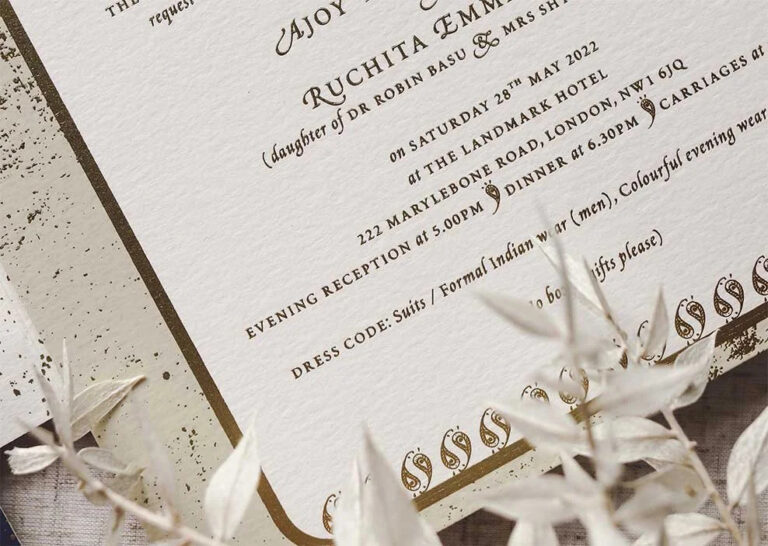
When planning a celebration, the way guests dress can set the tone for the entire event. A clear dress code serves as a vital communication tool, ensuring that everyone knows what to wear. By specifying the attire on invitations, hosts can eliminate confusion and help guests feel confident in their choices.
Whether it’s a formal affair or a relaxed gathering, the wording should be inviting yet directive. For example, traditional codes like black-tie come with specific expectations, while cocktail attire allows for more creativity. Additionally, beach and casual themes introduce practical elements like fabric choices and footwear.
Placement of the dress code on invitations is also important. Typically found at the bottom right or centered, it ensures that guests easily notice it. Ultimately, thoughtful communication about attire contributes to a visually harmonious celebration that everyone can enjoy.

Understanding the Purpose of a Wedding Dress Code
Establishing a clear dress code is essential for guiding guests in their attire choices. This communication tool helps ensure that everyone is on the same page regarding what to wear. It can alleviate anxiety for attendees, allowing them to focus on enjoying the event rather than worrying about their appearance.
Why Specify a Dress Code on Wedding Invitations?
Specifying a dress code on invitations removes the guesswork for guests. It allows them to select their attire with confidence, reducing the stress of being over- or underdressed. This clarity contributes directly to the couple’s vision for their celebration.
When guests understand exactly what is expected of them, they can concentrate on enjoying the occasion. This focus on enjoyment is essential for creating a memorable experience for everyone involved.
The Impact of Clear Dress Codes on Guest Experience
A well-defined dress code fosters a visually cohesive guest experience. It enhances photographs and reinforces the event’s formality level. Bridal stylist Maisie-Kate Keane emphasizes that “clarity is everything” when creating a dress code. She recommends couples be specific about their expectations and include examples or inspiration.
Moreover, dress codes serve as a two-way agreement between hosts and guests. By accepting an invitation, attendees implicitly agree to follow the attire guidelines established for the celebration. This mutual understanding enhances the overall atmosphere of the event.
Common Dress Code Terms and Their Meanings
Understanding common dress code terms is crucial for guests. Terms like white tie, black tie, cocktail attire, and dressy casual carry specific meanings that may not be immediately obvious. For instance, cocktail attire is slightly more formal than semiformal and is often suited for evening events.
By clarifying these terms, hosts can help guests navigate their invitations with confidence. The purpose of a dress code extends beyond clothing instructions; it sets the tone for the entire event and signals the level of formality guests should expect.
How to Choose the Right Wedding Dress Code for Your Invitation
Choosing suitable attire for an event is essential for creating a memorable experience for everyone involved. Several factors come into play when selecting the right dress code for invitations. These include the venue, time of day, and seasonal considerations.
Factors Influencing Dress Code Selection: Venue, Time, and Season
The venue serves as one of the most influential factors in dress code selection. Grand ballrooms and country clubs naturally lend themselves to formal attire. In contrast, rustic barns and outdoor gardens suggest more relaxed options.
Time of day plays a crucial role in determining appropriate dress codes. Weddings held before 4 pm traditionally call for lighter fabrics, brighter colors, and slightly less formal attire compared to evening celebrations. Couples should let the time of day dictate the color palette of their look.
Seasonal considerations directly impact both comfort and practicality. Summer weddings benefit from breathable fabrics like linen and cotton. In contrast, winter affairs can accommodate richer materials such as velvet and heavier suiting.
Matching Dress Codes to Wedding Aesthetic and Formality Level
Couples should evaluate how their chosen dress code aligns with their overall wedding aesthetic. Guest attire should complement rather than clash with the carefully planned décor, floral arrangements, and venue atmosphere. A fall black-tie wedding creates a dramatically different atmosphere than a summer cocktail attire celebration.
When matching dress codes to wedding aesthetics, couples should consider whether they want their photographs to reflect a timeless, formal elegance or a more relaxed, contemporary feel that allows for individual expression.
Considering Guest Comfort and Practicality
Guest comfort must remain a priority when selecting a dress code. Requiring black tie formalwear during an outdoor August wedding in direct sun could create an uncomfortable experience that detracts from the celebration. Practical considerations such as terrain at outdoor venues and temperature fluctuations between day and evening should all influence the final dress code decision.
Destination weddings introduce additional considerations for dress code selection. Couples must think about travel logistics, local climate, and the practical limitations guests may face when packing formal attire for a beach or tropical setting.
Wedding Dress Code Wording Tips for Invitations
The attire guests choose can significantly influence the atmosphere of a celebration. Clear wording on invitations is essential for guiding attendees on what to wear. By providing specific details, hosts can ensure everyone feels confident in their choices.
Where to Place Dress Code Information on Invitations
Traditionally, the dress code appears in the bottom right corner of the invitation. However, many modern designs feature it centered at the bottom for a balanced look. If the ceremony and reception venues differ, it’s crucial to specify the attire for each location. This clarity prevents confusion and helps guests prepare accordingly.
Clear and Concise Phrasing Examples by Dress Code
Using straightforward phrases like “Black Tie,” “Cocktail Attire,” or “Beach Formal” effectively communicates the dress code without overwhelming the invitation with excessive text. Concise wording avoids ambiguity and helps guests understand expectations quickly.
Including Additional Guidance Through Dress Code Cards and Websites
A dedicated dress code card can provide more detailed guidance. This card can include color palettes, fabric suggestions, and illustrative examples that help guests visualize appropriate outfits. Additionally, a wedding website is an excellent platform for expanding on dress code details. Couples can share mood boards and links to inspiration, ensuring guests have easy access to all necessary information.
Incorporating watercolor illustrations or fashion sketches on dress code cards has become a popular trend. This visual reference complements the wedding’s aesthetic while clarifying expectations. For multi-event weekends, specifying attire for each occasion ensures guests pack appropriately.
Ultimately, clear and concise phrasing helps avoid confusion. By using established terminology, guests can independently research and understand what is expected of them. This thoughtful communication contributes to a cohesive and enjoyable celebration for everyone involved.
Formal Wedding Dress Codes: White Tie and Black Tie Explained
Understanding the intricacies of formal attire is crucial for ensuring that guests are appropriately dressed for the occasion. Two of the most recognized formal codes are white tie and black tie, each with its own set of expectations and requirements.
White Tie: The Ultimate Level of Formality
White tie represents the pinnacle of wedding formality. This dress code is so elevated that it leaves virtually no room for personal interpretation. Men are required to wear:
- A tuxedo with tails
- A white piqué bow tie
- A white waistcoat
- Formal patent leather shoes
Women attending a white tie event must select full-length evening gowns. These dresses are typically accessorized with:
- Fine jewelry
- Elegant clutches
- Heels
- Optional tiaras for a more formal look
Black Tie: Traditional Elegance for Evening Weddings
Black tie remains the most recognized formal wedding attire. Men must wear a classic black tuxedo paired with a bow tie. Women are expected to choose floor-length gowns made from luxurious fabrics like:
- Silk
- Organza
- Lace
The distinction between a black tie tuxedo and a regular suit lies in specific details, including:
- Satin-striped trousers
- A bow tie rather than a necktie
- Formal accessories like cufflinks and studs
- Patent leather Oxfords or opera pumps
Formal Alternatives: Black Tie Optional and Formal Attire
Black tie optional provides guests with flexibility while maintaining an elevated atmosphere. Men can choose between a traditional tuxedo or a dark, well-tailored suit with a crisp dress shirt and tie. Formal attire functions as a synonym for black tie optional, indicating sophistication without the strict requirement of a tuxedo.
Women attending black tie optional or formal attire weddings can select from:
- Long gowns
- Dressy cocktail dresses
- Formal jumpsuits
- Tailored pantsuits
The key to navigating formal dress codes lies in erring on the side of overdressing rather than underdressing. Arriving in attire that is too casual can make a guest feel out of place at an otherwise elegant event.
Accessories play a crucial role in formal attire. Men should include cufflinks and polished shoes, while women can complete their looks with statement jewelry and elegant evening bags.

Cocktail and Semi-Formal Dress Codes: Balancing Elegance and Comfort
Understanding how to navigate cocktail and semi-formal attire can greatly enhance the experience for both hosts and guests. These dress codes strike a balance between elegance and personal style, allowing attendees to express themselves while still adhering to the event’s overall theme.
Defining Cocktail Attire for Daytime and Evening Weddings
Cocktail attire is one of the most popular choices for weddings, often seen as a versatile option. For daytime events, lighter fabrics and softer colors are ideal. Women can opt for knee-length or midi dresses, while men can wear tailored suits in a variety of colors. Evening cocktail weddings, however, typically embrace darker hues and more dramatic styling.
Guests can choose from a range of options, including:
- Knee-length dresses or elegant jumpsuits for women
- Well-tailored suits for men, with ties encouraged but not mandatory
Semi-Formal and Dressy Casual: What Guests Should Expect
Semi-formal dress codes provide slightly more flexibility than cocktail attire. Women may wear dresses just below the knee or chic jumpsuits, while men can select slacks paired with a nice shirt and an optional tie. Dressy casual is a step down in formality, allowing for fabrics like linen and cotton, while still maintaining a polished appearance.
Both semi-formal and dressy casual attire offer a comfortable yet stylish approach for guests. This distinction often depends on the time of day, with cocktail attire reserved for later events.
Suggested Clothing and Accessories for Both Hosts and Guests
When choosing outfits, accessories play a crucial role. Women should consider chic clutches instead of large purses, while men can complete their looks with appropriate dress shoes such as Oxfords or loafers. The right accessories should enhance the overall outfit without overwhelming it.
For daytime cocktail weddings, floral prints and lighter color palettes are perfectly acceptable. Evening events, on the other hand, call for richer jewel tones and more sophisticated fabric choices.
| Dress Code | For Women | For Men | Accessories |
|---|---|---|---|
| Cocktail Attire | Knee-length or midi dresses, elegant jumpsuits | Well-tailored suits, ties encouraged | Chic clutches, dressy shoes |
| Semi-Formal | Dresses just below the knee, chic jumpsuits | Slacks with a nice shirt, optional tie | Coordinated accessories, polished shoes |
| Dressy Casual | Nice tops with skirts or tailored pants | Slacks and button-down shirts, optional tie | Thoughtful accessories, casual shoes |
Both hosts and guests benefit from understanding that cocktail and semi-formal dress codes occupy a middle ground. This allows for creativity and personal style while maintaining the elevated atmosphere appropriate for a wedding celebration. For more detailed guidance on dress codes, check out this wedding dress code guide.
Beach and Tropical Wedding Dress Codes: Practicality Meets Style
Attire choices at beach and tropical events can significantly shape the overall vibe of the celebration. Selecting the right fabrics and colors is essential for ensuring guests feel comfortable and stylish in warm weather. Lightweight materials like linen, cotton, and chiffon are ideal for keeping cool while maintaining a polished look.
Choosing Fabrics and Colors Suitable for Warm Weather
Beach and tropical wedding dress codes prioritize breathable fabrics that can withstand direct sun and high humidity. The following options are perfect for these settings:
- Linen
- Cotton
- Chiffon
Color palettes for tropical weddings embrace vibrancy. Bold floral prints and bright shades replace the darker tones typically associated with formal events. Women should opt for flowing sundresses or maxi dresses in lightweight materials. Heavy embellishments or structured silhouettes may feel out of place by the sea.
Footwear and Accessory Recommendations for Beach Weddings
Footwear for beach ceremonies requires careful consideration. Women should choose:
- Dress sandals
- Wedges
- Chunky heels
These options prevent sinking into the sand. Men can select loafers, boat shoes, or espadrilles instead of formal lace-ups. Accessories should balance style with practicality, including wide-brimmed hats for sun protection and minimal jewelry that won’t be damaged by salt air or sand.
How to Communicate Casual but Polished Dress Codes for Destination Weddings
Effectively communicating a beach dress code requires clarity about expectations. Terms like “beach formal” or “tropical elegant” help guests understand that while the setting is relaxed, the attire should remain polished and celebratory. For destination weddings that span multiple days, hosts should provide dress code guidance for each event. This ensures guests know what to wear while enjoying the consistent backdrop of warm weather.
Casual and Dressy-Casual Wedding Dress Codes: Guidelines and Expectations
The term ‘casual’ in wedding attire does not mean guests can wear anything they want. While this dress code suggests a more relaxed atmosphere, it still requires thoughtful outfit choices that honor the significance of the occasion.
Men attending a casual or dressy-casual wedding should select a collared button-down shirt paired with chinos or khaki trousers. Adding a sport coat can elevate the look without requiring a tie. This combination strikes a balance between relaxed and refined.
Women have numerous appropriate options for casual wedding attire. Fashionable jumpsuits, high-low dresses, summer sundresses, and midi dresses are all stylish choices. It’s essential to select fabrics with structure and drape, avoiding overly casual textures like jersey or terry cloth.
The distinction between dressy casual and truly casual lies in the details. Dressy casual calls for coordinated outfits with elevated accessories and refined footwear. Casual attire allows for more relaxed interpretations but still requires effort. Guests should aim to look polished while feeling comfortable.
Seasonal fabrics play an important role in casual wedding attire. Linen and cotton blends work beautifully for summer events, while wool flannels and textured materials suit cooler-weather celebrations. Footwear choices signal the level of formality, with loafers, monkstraps, and dress sandals being appropriate. Sneakers and flip-flops should be avoided unless explicitly permitted.
Common mistakes include wearing denim of any wash, opting for short-sleeved shirts without a collar, or choosing overly revealing silhouettes. Guests should not treat the wedding with the same casual approach as a backyard barbecue.
A sport coat with trousers and no tie represents the ideal balance for men navigating dressy-casual attire. Women should focus on materials that photograph well and feel appropriate for a celebration. Ultimately, guests should still look like they made an effort, choosing outfits that honor the couple and the significance of their special day.
Creative and Themed Dress Codes: Expressing Personality While Maintaining Clarity
A well-thought-out attire theme can enrich the atmosphere of an event, making it more memorable for everyone involved. Creative and themed dress codes allow couples to infuse their celebration with personality. Popular examples include Western chic, garden party attire, vintage decade themes, and color-specific requests.
Western chic has gained popularity for ranch and barn weddings. Guests often embrace denim jackets, cowboy boots, bolo ties, and flowy dresses that capture rustic elegance without feeling costume-like. This playful approach allows attendees to express themselves while remaining respectful of the event’s significance.
The success of any themed dress code depends entirely on the clarity of instructions provided. Couples benefit from sharing mood boards, color palettes, and example photographs on their wedding website or dress code cards. This guidance ensures guests know exactly what to wear, enhancing their comfort and enjoyment.
Bridal stylist Maisie-Kate Keane emphasizes that themed dress codes enhance the fun of an event. She notes that guests appreciate the chance to participate in the wedding aesthetic, but only when the guidance is approachable and clear enough to prevent stress.
Color-specific dress codes, such as requesting all guests wear black or adhere to a particular palette, create stunning visual cohesion in photographs. This gives the event a carefully curated feel that reflects the couple’s vision.
When communicating creative dress codes, couples should provide both the thematic name and a descriptive explanation. For example, “Garden Party Attire: floral prints, pastel suits, and wide-brimmed hats encouraged,” helps eliminate ambiguity. Themed dress codes work best when they align naturally with the venue and overall wedding design.
Couples should anticipate that some guests will embrace the theme more enthusiastically than others. Variation in interpretation is natural and acceptable as long as the basic guidelines are followed. Providing visual inspiration through a dedicated Pinterest board or Instagram collection linked on the wedding website helps guests understand the intended aesthetic without requiring lengthy written explanations.
Ultimately, balancing fun and clarity requires couples to remember that while they may be immersed in wedding planning details, guests need straightforward, accessible guidance to participate confidently in creative dress code requests.
| Themed Dress Code | Description | Suggested Attire for Women | Suggested Attire for Men |
|---|---|---|---|
| Western Chic | Rustic elegance with a playful twist | Flowy dresses, denim jackets, turquoise jewelry | Cowboy boots, bolo ties, plaid shirts |
| Garden Party | Light, floral, and airy vibes | Floral prints, pastel dresses, wide-brimmed hats | Light suits, dress shirts, summer loafers |
| Vintage Decade | Inspired by a specific decade’s fashion | Retro dresses, period accessories | Classic suits, themed ties, vintage shoes |
| Color-Specific | Guests wear a designated color palette | Dresses in the chosen color, coordinated accessories | Outfits matching the color theme, appropriate footwear |

Navigating Vague or Unspecified Dress Codes
When a specific dress code is not provided, guests may find themselves uncertain about what to wear. This situation can lead to confusion and anxiety as they try to interpret the couple’s expectations. However, there are several strategies guests can use to navigate these unclear guidelines.
How Guests Can Interpret Implicit Dress Code Cues
Guests can often glean valuable information from the venue type. For instance, a country club or ballroom suggests a more formal attire, while a brewery or backyard indicates a relaxed approach. Additionally, the time of day plays a crucial role. Evening events typically call for darker colors and more formal attire, whereas daytime celebrations allow for lighter fabrics and slightly more casual interpretations.
Examining the invitation design itself can also provide hints about formality. Invitations that feature letterpress or foil-stamped designs usually signal a more formal event than those that are digitally printed or casually worded.
Proactive Communication: When and How to Ask for Dress Code Clarification
If guests remain uncertain about appropriate attire, they can discreetly inquire with other invited friends or family members who might have insights into the couple’s expectations. If close to the couple, a brief and respectful text asking for guidance is perfectly acceptable.
Once guests receive clarification, they should share this information with other mutual guests. This helps reduce the number of individual inquiries the couple receives as the wedding date approaches.
Tips for Hosts to Minimize Dress Code Confusion
Hosts can take proactive steps to minimize confusion by including attire information on all platforms guests might reference. This includes the physical invitation, details card, wedding website, and any pre-event email communications.
When no dress code is specified, the venue’s inherent formality level serves as a reliable default. Guests should err on the side of being slightly overdressed rather than underdressed for the setting.
Welcome events, rehearsal dinners, and farewell brunches often carry different implied dress codes than the ceremony and reception. Therefore, guests should evaluate each event’s timing and location independently.
To address practical concerns, hosts can include simple notes, such as, “The ceremony will be held on a lawn, so please choose footwear accordingly.” This helps guide guests without prescribing full attire.
| Consideration | Implication for Guests |
|---|---|
| Venue Type | Indicates formality; a country club suggests formal, while a backyard indicates casual. |
| Time of Day | Evening events call for darker colors; daytime allows for lighter fabrics. |
| Invitation Design | Letterpress designs suggest formality; casual wording indicates a relaxed atmosphere. |
| Communication with Others | Inquiring with other guests can provide clarity on attire expectations. |
| Host Guidance | Hosts should provide clear instructions on invitations and websites to minimize confusion. |
Conclusion
The way guests present themselves can greatly influence the overall ambiance of any gathering. A thoughtfully worded attire guideline serves as the foundation for a cohesive celebration. It ensures that everyone feels confident and comfortable, aligning with the couple’s vision.
This relationship between hosts and attendees is reciprocal. Couples provide clear instructions through invitations, while guests honor that guidance by selecting appropriate outfits. When uncertain, it’s always safer to be slightly overdressed than underdressed.
As wedding celebrations evolve, clear communication about attire becomes increasingly important. Every dress code, from formal to casual, helps guests participate fully in the joy of the day. Ultimately, a successful attire guideline balances the couple’s vision with guests’ comfort, creating an enjoyable experience for all.
FAQ
What is the purpose of a dress code on wedding invitations?
A dress code on invitations helps guests understand the expected attire, ensuring they feel comfortable and appropriately dressed for the occasion.
How can guests know what to wear for a cocktail event?
Cocktail attire typically includes elegant dresses for women and suits or dress shirts with ties for men, striking a balance between formal and casual.
What should guests consider when dressing for a beach wedding?
Guests should opt for lightweight fabrics and breathable colors, along with appropriate footwear like sandals, to ensure comfort in a warm, sandy environment.
How can hosts communicate a casual dress code effectively?
Including clear language on the invitation, such as “dressy casual,” along with examples of acceptable attire can help guests understand the expectations.
What does “black tie optional” mean for guests?
“Black tie optional” allows guests to wear a tuxedo or a dark suit, providing flexibility while still maintaining a formal atmosphere.
Are there specific colors or styles to avoid at weddings?
Guests should generally avoid wearing white, as it is traditionally reserved for the bride, and overly casual attire that may detract from the event’s formality.
How can guests prepare for a themed dress code?
Guests should review the theme details provided in the invitation and consider incorporating elements that align with the overall aesthetic while remaining respectful of the couple’s vision.
What should guests do if the dress code is vague?
If the dress code is unclear, guests can reach out to the couple or the wedding planner for clarification to ensure they dress appropriately for the occasion.