
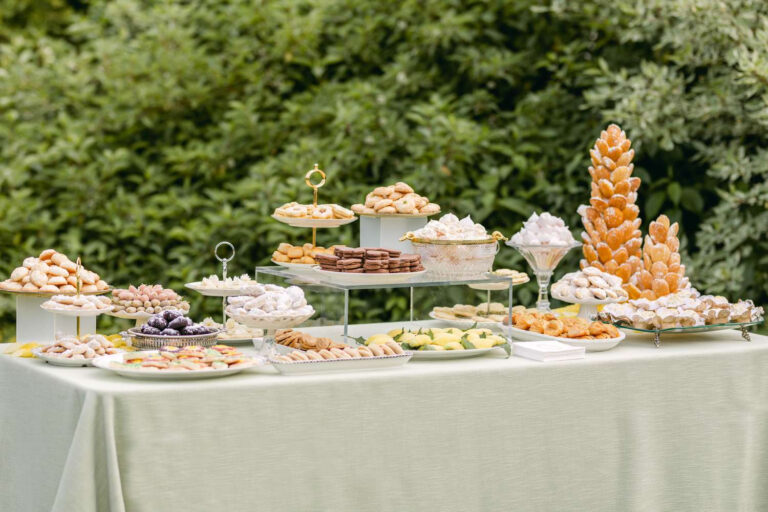
A buffet wedding reception offers couples a flexible and budget-friendly alternative to traditional plated dinners. This style allows guests to choose their favorite dishes, making it a memorable dining experience for everyone.
This guide will help you navigate every decision point. From understanding the pros and cons of a buffet compared to a sit-down meal, to designing a menu that meets dietary needs, we cover it all. You’ll discover how to create an appealing layout, manage guest flow, and work with catering staff for a seamless execution on your special day.
Cost considerations are crucial. The type of main proteins, side dishes, and even equipment rentals can significantly impact your budget. Additionally, our guide features inspiring menu ideas, from elegant appetizers to themed desserts that will delight your guests.

By the end of this guide, couples will have a clear roadmap for selecting the right venue and collaborating with experienced caterers, ensuring their reception reflects their unique style.
Understanding the Benefits of a Buffet Wedding Reception
A buffet setup for a wedding day fosters a relaxed environment while catering to varied tastes and preferences. This style of dining not only provides flexibility but also enhances the overall guest experience. Couples can curate a menu that reflects their favorite dishes, making the meal personal and enjoyable for everyone.
One of the standout features of a buffet wedding is the freedom it offers guests. Each person can select what they want to eat, accommodating diverse dietary needs and preferences. This option is especially beneficial for larger gatherings where tastes can vary significantly.
The informal atmosphere of a buffet encourages a social vibe. Guests feel at ease to mingle and return for seconds, creating a more engaging experience. The absence of strict etiquette rules and complex place settings makes the event feel more approachable.
Moreover, the budget-friendly advantages are significant. Buffets often lead to less food waste compared to plated meals. This allows couples to allocate their savings toward other important elements of their big day. Additionally, fewer service staff are needed, which can further reduce costs without compromising quality.
For couples planning a wedding reception that balances elegance with ease, the buffet style offers a compelling middle ground. It prioritizes guest satisfaction while addressing practical logistics effectively.
| Benefits | Buffet Style | Plated Meals |
|---|---|---|
| Guest Freedom | High – Guests choose their own food | Low – Pre-selected meals |
| Atmosphere | Informal and social | Formal and structured |
| Cost Efficiency | Less food waste, fewer staff | Higher costs due to service and waste |
| Menu Flexibility | Customizable options | Fixed menu |
Buffet Wedding Reception vs. Sit-Down Dinner: Deciding What’s Right
Deciding between a buffet and a plated meal can shape the overall experience of a wedding. Each option has its unique benefits and drawbacks that can influence the atmosphere and guest interaction during the event.
Understanding the pros and cons of a buffet style is essential for couples. Buffets provide a wide variety of food options, allowing guests to sample multiple dishes. This style fosters an interactive social environment around the serving stations, which can enhance guest enjoyment. Additionally, buffets can easily accommodate dietary restrictions without the need for extensive communication with the caterer.
However, there are potential downsides to consider. Buffets may lead to crowded lines, and the more casual tone might not suit every couple’s vision for their special day. Furthermore, self-service can take more time for everyone to eat, especially in a full room.
Pros and Cons of Buffet Style
- Pros: Variety of food options, interactive experience, dietary flexibility.
- Cons: Potential for chaos, less formal tone, longer time for guests to eat.
On the other hand, a sit-down dinner presents its own set of advantages. This style is often seen as more elegant and sophisticated. Guests can relax at their tables while waitstaff serve each course, which creates a structured flow for the event. Controlled portions also help minimize food waste.
Nevertheless, sit-down dinners have their drawbacks. Meal choices may be limited, complicating dietary accommodations. There is also a risk of incorrect plates being served, which can lead to dissatisfaction. Higher staffing costs and less opportunity for guests to mingle are additional concerns.
Pros and Cons of Sit-Down Dinner
- Pros: Elegance, relaxation, portion control, scheduled flow.
- Cons: Limited choices, higher costs, less guest interaction.
When choosing between these two dining styles, couples should consider several factors. The age range and preferences of the guest list can significantly influence the decision. The physical space and layout of the venue are also crucial. Lastly, couples must decide whether they envision a formal or relaxed celebration.
Some weddings successfully blend elements of both styles. For example, a buffet for the main meal paired with passed appetizers during cocktail hour can offer a touch of refined service while still providing variety.
| Dining Style | Pros | Cons |
|---|---|---|
| Buffet | Variety, interactive, dietary flexibility | Potential chaos, casual tone, longer service time |
| Sit-Down Dinner | Elegance, structured flow, portion control | Limited choices, higher costs, less mingling |
Planning the Perfect Buffet Wedding Reception Menu
Crafting the ideal menu for a wedding buffet involves thoughtful planning and attention to detail. Couples should prioritize gathering dietary information from their guests. This ensures there are ample options for everyone, including vegans, vegetarians, and those with specific religious dietary needs.
Accommodating dietary restrictions in a buffet format is simpler than with plated meals. Guests can self-select safe dishes without requiring separate, individually labeled plates from the kitchen. This flexibility is a significant advantage of a buffet setup.
Accommodating Dietary Restrictions and Preferences
By collecting meal preferences in advance, couples can create a menu that caters to diverse dietary needs. This proactive approach allows for a more enjoyable experience for all attendees. Ensuring that everyone has something delicious to eat can enhance the overall atmosphere of the event.
Incorporating Variety and Flavor
Incorporating variety and flavor means offering a balance of proteins, starches, vegetables, and sauces that complement each other. A well-rounded menu typically includes at least two main protein choices, several side dishes, a salad or fresh vegetable option, and a dessert station that ties into the overall theme.
Guests appreciate the freedom to build a plate that suits their palate. This allows for a more personalized dining experience, making the event memorable. The couple should work closely with their catering team to design menus that reflect seasonal ingredients and regional flavors.
Menu Presentation and Thematic Coordination
Menu presentation and thematic coordination elevate the dining experience. Ensuring that food displays, signage, and serving pieces align with the wedding’s color palette and aesthetic vision is crucial. Customized dessert displays, such as a cake table surrounded by mini pastries or a s’mores station, add a memorable finishing touch.
These unique elements will not only impress guests but also provide great photo opportunities. By thoughtfully designing the buffet, couples can create a cohesive and visually appealing dining experience.
| Menu Element | Description |
|---|---|
| Main Proteins | At least two options, such as chicken and vegetarian dishes. |
| Side Dishes | A variety of starches and vegetables to complement the proteins. |
| Salad Options | Fresh salads or vegetable platters for added healthiness. |
| Dessert Station | Customized displays featuring the couple’s favorite sweets. |
Designing Buffet Stations for Optimal Guest Flow
The layout of buffet stations plays a crucial role in how guests navigate their meal service. An effective design can make the dining experience smoother and more enjoyable for everyone. Proper planning ensures that guests can move freely and access food without feeling rushed or crowded.
Coordinators should consider several factors when designing buffet stations. This includes spacing, crowd control, and how the stations integrate with table seating arrangements. Each element contributes to the overall flow of the event.
Placement and Spacing of Serving Areas
The placement and spacing of buffet stations directly impacts how smoothly guests move through the meal service. Here are some key strategies:
- Double-sided setups and multiple serving points reduce bottlenecks in large gatherings.
- Position stations away from main entryways and high-traffic areas to prevent congestion.
- Ensure adequate space between tables and stations for comfortable movement.
Strategies for Crowd Control and Line Management
Managing guest flow effectively is essential for a successful buffet experience. Consider these strategies:
- Have a coordinator or DJ dismiss tables one at a time to avoid crowding at the buffet.
- Place plates at the start of each station and arrange food logically from lighter items to heavier proteins.
- Integrate beverage stations separately to prevent cross-traffic and maintain flow.
Integration with Table Seating Arrangements
Integrating buffet flow with table seating arrangements is vital. Here are some tips:
- Position tables with elderly guests or families with young children closer to serving areas.
- For larger guest counts, consider multiple identical buffet stations in different areas to cut wait times.
- Monitor and adjust in real time to guide guests and ensure smooth service.
By implementing these strategies, couples can create a well-organized buffet experience that keeps guests happy and engaged. For more detailed tips on managing buffet layouts, visit this resource.
Coordinating Service Staff and Support
Effective coordination of service staff is essential for a seamless buffet experience. Couples should understand the roles of caterers and reception coordinators to ensure everything runs smoothly on their special day.
Roles of Caterers and Reception Coordinators
The caterer plays a central role in buffet success by supplying trained staff. These professionals keep serving stations stocked, clean, and visually appealing from the first guest to the last. They ensure that the food remains fresh and inviting throughout the event.
Reception coordinators work behind the scenes to manage timing. They communicate with the catering team about when to open and close stations, ensuring a smooth flow of service. Their ability to troubleshoot any issues that arise is vital for maintaining a positive atmosphere.
Staffing Levels and Responsibilities During the Event
Staffing levels should be calibrated to guest count. A general guideline is to have one attendant per station. This staff member can carve meats, answer questions about ingredients, and monitor food temperatures. Responsibilities during the reception include:
- Continuously refreshing chafing dishes.
- Wiping down surfaces after spills.
- Removing empty platters promptly.
- Ensuring that utensils are replaced when dropped or soiled.
Maintaining Cleanliness and Food Replenishment
Maintaining cleanliness throughout the buffet area is essential for both aesthetics and food safety. Staff should make regular rounds to address messes before they become noticeable to guests. Food replenishment must be timed carefully. This ensures that late-arriving guests enjoy the same quality and variety as those who went through the line first.
A well-coordinated service team allows the couple to relax and enjoy their day. Knowing that every detail of the buffet is being handled by experienced professionals brings peace of mind.
Cost Considerations for Buffet Wedding Receptions
Understanding the financial aspects of a buffet-style meal is crucial for couples planning their special day. While this dining option can be more budget-friendly than plated meals, various factors influence the overall cost.
The type and variety of main protein options significantly impact pricing. Premium choices, such as beef tenderloin or seafood, can raise the per-person cost considerably. In contrast, more economical selections like chicken or pork keep expenses lower.
Main Protein and Side Dish Selection Impact on Budget
Side dishes also play a role in the budget. Elaborate salads, seasonal vegetables, and specialty starches require more preparation and higher-quality ingredients. Simple options, like rice or roasted potatoes, are less costly and easier to prepare.
Equipment and Service Needs Affecting Costs
Equipment needs should not be overlooked. Rental fees for chafing dishes, warming trays, and carving stations can add up. Desserts also influence costs. Items like sorbets or ice cream bars require specialized equipment and service, while traditional cakes or plated pastries are simpler to serve.
Reducing Food Waste to Save Money
Reducing food waste is one of the most effective ways to save money on a buffet. Caterers can help by estimating portion sizes based on guest counts and adjusting quantities for less popular items. Couples should also consider donating leftover food where local regulations allow, which can align with sustainability goals.
A realistic budget conversation early in the planning process helps couples prioritize which buffet elements matter most. This way, they can scale back without compromising the overall guest experience.
- The selection of main proteins is the single largest cost driver in a buffet meal.
- Side dish choices can greatly impact the budget, with more elaborate options requiring higher quality ingredients.
- Equipment rentals add to the overall catering estimate and should be factored into costs.
- Dessert selections can also influence expenses, especially if specialized service is needed.
- Reducing food waste can significantly save money, and caterers can assist in managing portions.
- Discussing food donation options with caterers can provide sustainability benefits.
- Having a clear budget helps couples focus on what matters most for their special day.

Inspiring Buffet Wedding Menu Ideas
Creating an inviting menu for a wedding celebration can elevate the overall experience for guests. Thoughtful selections enhance the event and leave a lasting impression. Couples can explore a variety of options that cater to different tastes and preferences.
Refined appetizers set the tone for a wedding event. Passed options like BLT crostini on crispy French bread and mini crab cakes with spicy rémoulade energize guests during cocktail hour. A well-curated cocktail hour pairs bite-sized savory foods with signature drinks, allowing guests to socialize and build anticipation before the main meal opens.
Refined Appetizers and Cocktail Hour Pairings
During the cocktail hour, it’s essential to offer a mix of light and flavorful bites. For example, Creole deviled eggs topped with bacon jam and grilled asparagus with seasoned red peppers can add variety and color to the spread. These options are not only delicious but also visually appealing.
Main Course Options: Proteins, Sides, and Comfort Foods
Main course options should include a balance of proteins such as tender carved beef with horseradish sauce and grilled shrimp skewers with cowboy butter. Hearty vegetarian dishes should also stand on their own as satisfying meals. Side dishes like warm butternut squash au gratin complement the proteins beautifully.
Including warm petite rolls and flavored butters alongside the main proteins adds a bakery-fresh element that makes the buffet feel abundant and thoughtfully composed. This combination creates a comforting atmosphere that guests will appreciate.
Seasonal and Themed Buffet Dishes
Seasonal and themed dishes allow couples to personalize their wedding by featuring autumn root vegetables or summer heirloom tomatoes. Regional specialties that reflect the couple’s heritage or love story can also be incorporated, making the menu more meaningful.
A dessert station anchored by a beautifully decorated cake and surrounded by mini tarts, chocolate-dipped strawberries, or a s’mores bar gives guests a sweet finale. This offers options to suit every craving, ensuring that the dining experience is memorable from start to finish.
Incorporating Visual Appeal and Style into Your Buffet
Elevating the visual appeal of a buffet can transform the dining experience at any event. Couples can create a stunning atmosphere that captivates guests from the moment they approach the serving area. By focusing on the decoration of buffet tables, the overall aesthetic of the wedding can be enhanced significantly.
Decorating buffet tables turns functional serving stations into design features. This not only impresses guests but also ties in with the wedding’s theme. Using risers and varying heights creates visual interest. Decorative platters and bowls that match the wedding color palette can further enhance the presentation. Adding framed menu cards or chalkboard signs with elegant calligraphy adds a personal touch.
Using Florals and Greenery for Added Elegance
Florals and greenery bring life and elegance to buffet tables. Couples can use garlands of eucalyptus draped along the front edge or small bud vases tucked between chafing dishes. A statement arrangement anchoring the center of a long station can serve as a focal point, enhancing the overall design.
Coordinating Food Display with Venue Ambiance
Coordinating food display with venue ambiance is crucial. Selecting serving pieces and linens that complement the space enhances the buffet’s appeal. Whether it is a rustic barn with wooden farm tables or a ballroom with crisp white tablecloths and gold accents, attention to detail is essential.
Lighting plays a vital role in visual appeal. Candles, string lights, or spotlights can highlight the food, making the buffet area feel warm and inviting during evening receptions. The buffet style should feel like a natural extension of the wedding design, with the same care given to food stations as to centerpieces and ceremony backdrops.
A visually cohesive buffet encourages guests to take photos and share them. This extends the reach of the wedding’s design beyond the event itself, creating lasting memories of a beautifully executed celebration.
Managing Food Safety and Quality at Buffets
Ensuring food safety is paramount when planning a buffet for any special event. Couples should be aware that food safety protocols begin long before guests arrive. Expert caterers follow strict guidelines for food preparation, storage, and transportation to ensure everything is safe and fresh.
Safe serving practices are essential. Hot foods must be kept above 140 degrees Fahrenheit using chafing dishes and warming trays. Cold items, like salads and seafood, should remain chilled on ice beds or in refrigerated displays. This helps maintain the quality and safety of the meal.
Equipment Needed to Maintain Freshness
To keep food fresh throughout the event, specific equipment is necessary. Fuel cells for chafing dishes, temperature probes for monitoring, and sneeze guards to protect food from contamination are all vital. Backup serving utensils should also be available for quick swaps to maintain hygiene.
Caterer Practices for Guest Health and Satisfaction
Caterers play a significant role in protecting guest health. Designated staff members should continuously monitor food temperatures and replace dishes that have been at room temperature too long. It’s also crucial that raw and cooked items never share serving surfaces or utensils.
Time management is critical during buffet service. Planning service windows ensures food is not left out beyond safe limits. Fresh batches should be brought from the kitchen in stages rather than all at once, maintaining quality throughout the event.
Guests with severe allergies should receive clear ingredient information through labeled cards at each dish. Caterers must be prepared to discuss preparation methods with anyone who has concerns. A commitment to food safety and quality reassures couples that their meal will be remembered for its flavor and presentation rather than any unfortunate incidents.
“Expert catering partners ensure guests have safe, fresh, and delicious options.”

Maximizing Guest Experience During the Buffet Reception
Creating a memorable experience for guests during a buffet-style meal is essential for any celebration. The way food is served and the overall atmosphere can significantly impact how attendees enjoy the event. Couples should consider various factors to ensure their guests have a delightful time.
Timing the buffet service to avoid long waits begins with a clear schedule communicated to the DJ or coordinator. They can dismiss tables in small groups rather than opening the floodgates all at once. A well-paced meal service allows guests to enjoy each course without feeling rushed. Keeping the buffet open long enough for second helpings and late arrivals ensures everyone can eat comfortably.
Encouraging Social Interaction Around Food Stations
Encouraging social interaction around food stations turns the buffet into a gathering point. Guests from different tables can chat, compare plate selections, and bond over shared favorites. The couple can enhance this social atmosphere by placing high-top cocktail tables near the buffet area. This allows guests to pause and talk without blocking the serving line.
Accommodating Guests with Mobility Needs
Accommodating guests with mobility needs is crucial for an inclusive experience. Reserving tables closest to the buffet for elderly relatives or anyone using a wheelchair ensures they have easy access. Additionally, pathways between stations should be wide and free of obstacles.
Staff should be available to assist guests who need help carrying plates or navigating the buffet. This level of service makes everyone feel cared for on the wedding day. A thoughtful guest experience strategy ensures that the buffet reception feels organized, inclusive, and enjoyable for every person in attendance, regardless of age or ability.
Choosing the Right Venue and Catering Team for Your Buffet Reception
Selecting the right venue and catering team is essential for a successful buffet meal at any celebration. The venue’s layout and the caterers’ expertise can greatly influence the flow and enjoyment of the event. Couples should prioritize finding a space that supports buffet setups to ensure a seamless experience.
Finding Venues That Support Buffet Setups
Finding a venue that supports buffet setups requires assessing the floor plan for adequate space. It’s important to have enough room to place multiple serving stations without crowding guest tables or blocking access to the dance floor. Venues with built-in serving areas, dedicated buffet alcoves, or flexible open layouts simplify the logistics of a buffet-style event.
Partnering with Experienced Caterers
Partnering with experienced caterers who specialize in buffet service ensures that the menu, equipment, staffing, and timing are all handled by professionals. Couples should ask potential caterers about their experience with events of similar size and their approach to dietary accommodations. Tasting sessions before finalizing the menu can also provide valuable insights into the quality of the food.
Coordinators’ Role in Seamless Execution
Coordinators play an essential role in seamless execution. They serve as the bridge between the venue, the catering company, and the couple. Their responsibilities include managing timelines and troubleshooting issues so the big day unfolds without stress. A full-service catering team often includes not just cooks and servers but also event designers who can style the buffet to match the wedding aesthetic.
Investing time in selecting the right venue and catering partners pays off in a reception that runs smoothly, looks beautiful, and allows the couple to be fully present for every moment of their celebration.
Conclusion
The choice of meal service can significantly influence the atmosphere of a couple’s celebration. A buffet wedding reception combines flexibility, flavor, and budget-conscious planning into a single dining format. Couples who invest time in menu design and guest flow create an experience that feels abundant and personal.
Working with a trusted catering company transforms the logistical complexity of this style into smooth service that guests will appreciate. From refined appetizers to stunning dessert displays, the range of options ensures that every meal can be as unique as the couple themselves.
As couples look back on their wedding day, the sights, smells, and flavors of a beautifully executed buffet will weave into cherished memories shared with family and friends.
FAQ
What are the main benefits of choosing a buffet style for a wedding?
A buffet offers flexibility and a variety of choices for guests, creating a more informal atmosphere. It can also be budget-friendly, allowing couples to select dishes that fit their financial plan.
How can dietary restrictions be accommodated in the buffet menu?
Caterers can provide a range of options, including vegetarian, vegan, gluten-free, and allergy-friendly dishes. It’s essential to communicate these needs to the catering team well in advance.
What are some tips for designing buffet stations to enhance guest flow?
Placing stations strategically throughout the venue can minimize congestion. Consider spacing them out and incorporating clear signage to guide guests through the meal selection process.
How can couples reduce food waste during their buffet reception?
Couples can work with caterers to estimate the right amount of food based on guest count and preferences. Offering smaller portions initially can help manage waste while allowing guests to return for seconds.
What should be considered when choosing a venue for a buffet event?
It’s important to find a venue that supports buffet setups, including adequate space for food stations and guest seating. Additionally, check for accessibility and amenities that align with the event’s needs.
How can couples ensure food safety during the buffet?
Caterers should follow strict food safety practices, including proper food storage and temperature control. It’s also essential to have equipment on hand to maintain freshness throughout the event.
What types of dishes work well for a buffet menu?
Popular options include refined appetizers, a variety of main courses like proteins and comfort foods, and seasonal dishes that reflect the couple’s tastes and the time of year.
How can the presentation of the buffet enhance the overall experience?
Decorative elements like floral arrangements and themed displays can elevate the visual appeal of the buffet. Coordinating the food presentation with the venue’s ambiance creates a cohesive look.
What role do caterers play in the success of a buffet reception?
Caterers are responsible for menu planning, food preparation, and service during the event. They ensure that everything runs smoothly, from food replenishment to maintaining cleanliness.
How can couples maximize guest interaction during the buffet?
Encouraging guests to mingle around food stations can foster social interaction. Providing seating options nearby allows for conversation while enjoying the meal.