
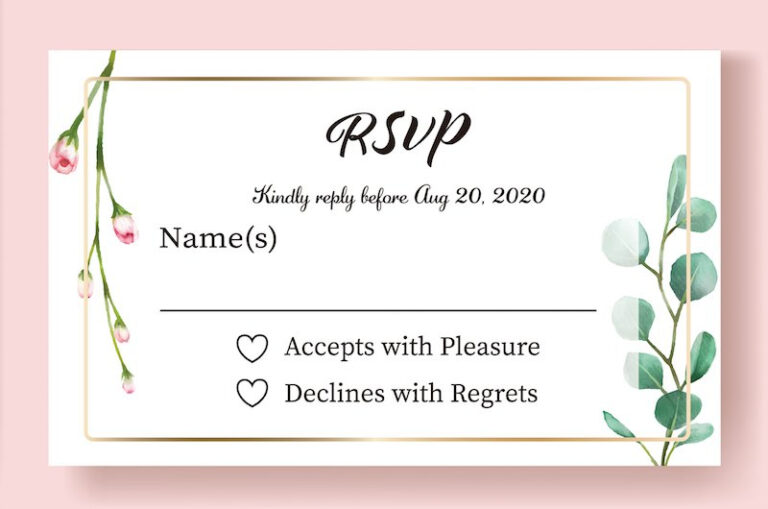
Planning a special event involves numerous details, and setting an RSVP deadline is crucial. This deadline significantly impacts your guest list and overall preparations. Couples often overlook how much this date affects headcounts, catering, and seating arrangements.
A well-timed RSVP deadline allows couples to follow up with guests who may not respond promptly. This guide will help navigate the RSVP timeline, from choosing the right date to managing late replies. By understanding modern online tools, couples can streamline the response collection process.
Clear communication of deadlines is essential, whether through paper invitations or digital platforms. Handling late replies can be tricky, but with the right strategies, it becomes manageable. Ultimately, mastering the RSVP timeline ensures a smooth and stress-free experience on the big day.

Understanding the Importance of Setting a Wedding RSVP Deadline
Establishing a deadline for responses is a fundamental aspect of effective event management. A firm RSVP deadline is not merely a suggestion; it is the backbone of organized planning and vendor coordination. Without a clear cutoff, couples face the nightmare of fluctuating headcounts that wreak havoc on catering guarantees and seating charts.
Venues and caterers typically require final guest counts two to four weeks before the big day. This makes the RSVP deadline a non-negotiable planning milestone. Setting a deadline communicates to guests that their timely response is essential and respected, establishing clear expectations from the outset.
The RSVP deadline also protects the couple’s budget by preventing last-minute additions that can inflate costs unexpectedly. When guests understand the importance of the deadline, they are more likely to prioritize submitting their response promptly. A well-enforced deadline reduces the mental load on the couple, freeing them to focus on other joyful aspects of planning.
When a firm RSVP date is in place, the guest list becomes a reliable document rather than a source of constant anxiety. Ultimately, the RSVP deadline is a tool of empowerment, giving couples control over one of the most unpredictable elements of event planning. Every successful event starts with an accurate headcount, and that accuracy begins with a thoughtfully set and communicated RSVP deadline.
| Key Considerations | Implications |
|---|---|
| Firm Deadline | Ensures organized planning and vendor coordination |
| Final Guest Count | Required by venues and caterers 2-4 weeks prior |
| Budget Protection | Prevents unexpected last-minute costs |
| Guest Expectations | Encourages timely responses from guests |
| Mental Load Reduction | Allows couples to focus on joyful planning aspects |
Factors to Consider When Choosing Your Wedding RSVP Deadline
Selecting an RSVP deadline is essential for ensuring a smooth planning process. The date of the event itself is a primary consideration. Most couples set their RSVP deadline three to four weeks before the big day. This allows ample time for follow-ups and adjustments.
Vendor requirements significantly influence the timing of the deadline. Caterers often need final guest counts at least two weeks before the event. Rental companies also require precise numbers for items like chairs and linens. This ensures that everything is in place for the celebration.
The complexity of the event should not be overlooked. A wedding weekend with multiple events, such as a rehearsal dinner, ceremony, and brunch, demands more lead time. Couples need to account for these additional details in their planning.
Demographics of the guest list are also important. If many guests are traveling from out of state or internationally, an earlier RSVP deadline is beneficial. This allows them to make necessary travel arrangements without stress.
The method of invitation delivery can impact the response time as well. Mailed paper invitations may take longer due to postal delays. In contrast, digital invitations and save the dates can expedite the response cycle.
Couples should consider a buffer week between the RSVP deadline and the vendor cutoff date. This extra time allows for chasing down non-responders without causing panic. Additionally, holiday seasons and peak vacation times can slow down responses, so deadlines should avoid major holidays.
The couple’s own availability is another factor. Setting the deadline during a time when they can manage follow-ups helps reduce stress. Some couples even choose an earlier deadline to create personalized details like place cards and welcome bags.
Ultimately, the ideal RSVP deadline balances vendor timelines, guest convenience, and the couple’s capacity to manage the response process efficiently.
| Consideration | Details |
|---|---|
| Wedding Date | Set RSVP deadline 3-4 weeks prior |
| Vendor Requirements | Caterers need counts 2 weeks in advance |
| Event Complexity | More events require longer lead times |
| Guest Demographics | Consider travel needs for out-of-state guests |
| Invitation Method | Digital invites speed up responses |
| Buffer Time | Include a week for follow-ups |
| Seasonal Considerations | Avoid major holidays for deadlines |
| Couple’s Availability | Choose a time to manage responses |
| Personalization Needs | Early deadlines help in planning details |
How the Wedding RSVP Deadline Impacts Event Planning and Vendors
The timeline for gathering guest responses can significantly shape the overall event planning process. Couples who do not manage their RSVP effectively may find themselves overwhelmed with manual tasks. This includes chasing down responses and updating spreadsheets. Without this information, making informed decisions becomes challenging.
Caterers depend on the final guest count to order ingredients, plan portions, and staff the kitchen. An inaccurate count can lead to food waste or shortages, impacting the overall experience. The venue also requires precise numbers to configure the layout, determine the number of tables, and ensure compliance with fire safety regulations.
Rental companies need accurate headcounts to provide the correct quantity of chairs, linens, and glassware. Last-minute changes can incur rush fees, adding unnecessary costs. Florists and decorators design centerpieces based on the number of tables, which directly ties back to the guest count from the RSVP deadline.
Stationers need final numbers to print place cards, escort cards, menus, and programs. These details cannot be finalized without confirmed attendance. Without smart RSVP management, couples end up doing significant manual work, which steals time from other planning priorities.
Accurate RSVP data allows couples to provide vendors with precise information when requesting quotes. This helps avoid surprise charges and budget overruns. The bar service also calculates alcohol orders per guest, making the RSVP deadline essential for placing accurate orders with suppliers.
Transportation services require knowledge of how many guests need rides between hotels and the venue. This detail is gathered through the RSVP process. Additionally, every vendor contract contains deadlines tied to guest counts. Missing these deadlines due to poor RSVP management can result in penalties or service gaps.
Best Practices for Communicating Your Wedding RSVP Deadline to Guests
Effectively communicating the RSVP deadline to guests is vital for a successful event. Couples should ensure that their guests are well-informed about when to respond. Clear communication helps avoid confusion and ensures a smooth planning process.
Here are some best practices to consider:
- The RSVP deadline should be printed prominently on the wedding invitation itself, using clear, legible typography that leaves no room for confusion.
- Including the deadline on save the dates as a gentle early reminder helps guests mentally prepare and mark their calendars well in advance.
- A dedicated section on the wedding website should restate the deadline, provide a countdown, and offer a direct link to the online RSVP form for immediate action.
- Couples should use multiple communication channels, such as email reminders and text messages, to reinforce the deadline as the date approaches.
- The wording on invitations should be warm yet firm, making it clear that responses are needed by the specified date to finalize arrangements.
- For paper invitations, including a pre-addressed, stamped RSVP card with the deadline printed on it removes barriers and encourages prompt replies.
- Digital-savvy couples increasingly include online RSVP instructions directly on wedding invitations, eliminating the need for separate paper RSVP cards.
- The choice between paper and digital RSVP methods should consider the guest list demographics and how comfortable attendees are with electronic responses.
- Social media and wedding-related apps can serve as supplementary channels for broadcasting gentle deadline reminders to the entire guest list.
- Consistency across all communication touchpoints ensures that every guest receives the same deadline information, reducing confusion and missed responses.
Advantages of Using an Online Wedding RSVP System
A modern approach to managing guest responses can significantly streamline the planning process for any event. Couples can leverage online RSVP systems to simplify their tasks and enhance guest experience. These systems offer numerous advantages that traditional methods simply cannot match.
One major benefit is the seamless integration with a wedding website. This allows guests to find all event details, travel information, and the RSVP form in one centralized, easy-to-navigate location. No more searching through different sources; everything is at their fingertips.
Seamless RSVP Integration with Your Wedding Website
Using an online RSVP system eliminates the need for manual data entry. Every response syncs directly into the master guest list in real time. This means couples can avoid the hassle of inputting everyone’s responses by hand.
Systems like Joy and WedSites connect RSVPs directly to the guest list. When guests respond, their answers appear exactly where they are needed without any extra steps. This feature saves time and reduces the chances of errors.
Real-Time RSVP Tracking and Notifications
Real-time RSVP tracking allows couples to monitor response rates at a glance. They can see who has opened the invitation, who has responded, and who still needs a nudge. Instant notifications via email or app alerts ensure that couples never miss a response, even when they are away from their planning dashboard.
Guests appreciate the convenience of clicking to RSVP from a desktop or mobile device without needing to create an account or download additional software. This easy RSVP functionality increases response rates because guests can reply in seconds rather than finding a mailbox and stamp for a traditional reply card.
Online RSVP forms can also be customized to collect specific information beyond attendance. Couples can ask about meal preferences, song requests, and accessibility needs. This customization helps ensure that every guest’s needs are met.
Additionally, the environmental and cost benefits of reducing paper usage make online RSVP systems an attractive option for eco-conscious couples. Embracing technology not only simplifies the planning process but also aligns with sustainable practices.
| Feature | Benefit |
|---|---|
| Automatic Syncing | Eliminates manual data entry |
| Centralized Information | All details in one location |
| Real-Time Tracking | Monitor responses easily |
| Instant Notifications | Stay updated on guest replies |
| Customization Options | Collect specific guest information |
| Eco-Friendly | Reduces paper usage |
Managing Multiple Wedding Events with RSVP Tools
Coordinating multiple gatherings for a celebration can be a complex task, but modern RSVP tools simplify the process. These tools allow couples to manage every event seamlessly, ensuring that all guests are accounted for without confusion.
Handling separate invitations for ceremonies, receptions, and additional events is crucial. Couples can send out tailored invitations for each gathering, which helps clarify what guests are invited to. This approach prevents any mix-ups and ensures that each guest only responds to the events they are actually invited to.
Handling Separate Invitations for Ceremonies, Receptions, and Additional Events
Modern weddings often span multiple events, including:
- Ceremony
- Cocktail hour
- Reception
- Rehearsal dinner
- Next-day brunch
Each of these occasions requires separate attendance tracking. RSVP tools like Joy and WedSites are built to handle multiple events from the ground up, allowing couples to manage every gathering in one unified platform. Guests can be invited to specific events individually, meaning a rehearsal dinner invitation does not automatically include the ceremony, and vice versa.
Customizing RSVP Questions for Different Events
Customizing RSVP questions for each event ensures that couples gather relevant information. This includes:
- Meal choices for the reception
- Transportation needs for the after-party
The guest list dashboard displays responses for every event at a glance. This shows which guests are attending which functions without toggling between spreadsheets. Multi-event RSVP management eliminates the hassle of juggling multiple paper reply cards or separate digital forms for each occasion.
The ability to accept or decline each event individually gives guests flexibility while providing couples with precise headcounts for every function. Streamlined multi-event tracking saves hours of administrative work and ensures that no guest falls through the cracks across a busy wedding weekend.
Effective Guest Grouping and Plus-One Management
Effective management of guest lists and RSVPs is essential for a successful event. Organizing how guests respond can greatly simplify the planning process. Modern tools like Joy and WedSites make it easier for households and parties to RSVP together. This feature allows one person to respond on behalf of their entire family or couple unit.
When households can RSVP together, couples avoid confusion. They no longer receive partial responses from different family members. This clarity is crucial for maintaining an accurate guest list.
Creating Household and Party RSVPs
Modern RSVP tools enable guests to enter their plus one’s name directly when responding. This information updates the master guest list automatically. For larger venues, couples can unlock plus ones for all guests at once. This flexibility accommodates more attendees without manual adjustments.
Controlling Plus-One Invitations and Guest List Accuracy
Managing who gets a plus one is vital. It allows couples to control exactly who receives a plus-one invitation. This practice prevents unexpected guests and helps maintain budget discipline. Assigning plus ones selectively ensures that single guests are not pressured to bring a date, while serious partners are included appropriately.
With accurate plus-one names captured, the guest list remains up-to-date. This accuracy simplifies place card creation and seating arrangements. Furthermore, the RSVP on behalf functionality respects family dynamics, allowing one person to manage responses for their entire household.
Controlling plus-one invitations from the outset helps avoid awkward conversations later. It keeps the event within the intended size and budget. Overall, these guest grouping features save significant time during the planning process. They reduce the back-and-forth communication typically required to clarify who is attending.
Custom RSVP Questions to Gather Essential Guest Information
Customizing the RSVP form allows couples to gather vital information from their guests. This approach goes beyond simple attendance and provides insights that enhance the planning process. By asking specific questions, couples can ensure they meet their guests’ needs effectively.
Meal Choices and Dietary Restrictions
Meal choices are one of the most critical data points. They allow couples to provide accurate counts to caterers for various options like beef, chicken, fish, and vegetarian meals. It’s essential to collect dietary restrictions meticulously. This ensures that guests with allergies or lifestyle-based diets are accommodated safely and respectfully.
The RSVP form can include multiple-choice questions for meal selections. This format makes it easy for guests to pick their preferred entrée with just a click. Collecting this information helps streamline catering logistics and enhances guest satisfaction.
Special Requests and Personalized Responses
Short-answer fields invite guests to share song suggestions, well wishes, or special messages. These personal touches can add warmth to the celebration. Additionally, private questions allow couples to ask sensitive inquiries only to specific guests, such as the wedding party about rehearsal dinner attendance.
Smart follow-up questions can dynamically appear based on previous answers. This creates a tailored experience that gathers deeper information without overwhelming guests. Customizable question formats let couples inject personality into the RSVP form, making it engaging and fun.
Gathering special requests through the RSVP form centralizes all guest needs in one place. This eliminates the need to track separate emails and text messages. The data collected through custom questions feeds directly into the guest list, providing couples and vendors with a comprehensive view of every attendee’s preferences and requirements.
Combining Physical and Digital RSVP Methods Efficiently
Merging paper invitations with digital RSVP options can create a more efficient response process. This hybrid approach allows couples to cater to tech-savvy guests while honoring those who appreciate traditional paper invites.
Including Online RSVP Links on Paper Invitations
Couples can enhance their invitations by including a clear URL or QR code that directs guests to their wedding website. This link leads to the online RSVP form, making it easy for guests to respond digitally.
The printed RSVP card can serve as a beautiful keepsake while guiding guests to submit their actual responses online. This method streamlines tracking and management.
Collecting RSVP Responses Digitally for Paper Invites
Collecting RSVP responses digitally for paper invitations eliminates the need for manual transcription of reply card information into a spreadsheet. Wedding websites like Joy and WedSites are designed to accept digital responses, even when the initial invitation is mailed.
A simple line on the invitation, such as “Please RSVP by [date] at [wedding website URL],” bridges the gap between physical stationery and digital convenience.
Additionally, configuring the guest list to allow guests to add their own plus ones when RSVPing online ensures that all information is complete. This flexibility reduces postage costs for return envelopes while still delivering the joy of receiving a beautifully designed paper invitation.
For older or less tech-savvy guests who prefer paper, they can still mail back a traditional reply card. Couples can manually enter those responses into their digital system, ensuring no guest is excluded from the RSVP process.
Using Wedding Websites as the Central Hub for RSVP and Event Details
Creating a centralized online platform can significantly enhance the guest experience for any event. A wedding website serves as the central hub where guests can find every piece of information they need, from the RSVP form to accommodation details and registry links.
Designing the wedding website for easy guest access means prioritizing intuitive navigation, mobile responsiveness, and clear calls-to-action that guide visitors to the RSVP form. This ensures that all guests can quickly find what they need without frustration.
Designing Your Wedding Website for Easy Guest Access
Drag-and-drop website builders like those offered by WedSites allow couples to create a custom wedding website without any coding knowledge. They can easily upload personal images and videos, making the site feel more personal and inviting.
The wedding website should display a personalized event schedule that shows each guest only the events they have been invited to. This eliminates confusion about which functions they should attend and ensures a smoother experience for everyone.
Displaying Personalized Event Schedules and Information
Joy’s platform places the RSVP functionality directly on the wedding website. Guests can respond in the same place where they review ceremony times and dress codes. Personalized views ensure that a guest invited only to the reception does not see details about the private rehearsal dinner, maintaining privacy and clarity.
The website can house FAQs, travel recommendations, hotel block information, and shuttle schedules. This makes it a one-stop resource that reduces repetitive guest questions and streamlines communication.
A well-designed wedding website reinforces the couple’s aesthetic and theme while providing practical functionality that enhances the entire guest experience. Integrating the RSVP form seamlessly into the website means guests never have to leave the page or navigate to a separate platform to submit their response.
Creating a wedding website early in the planning process establishes a reliable communication channel that guests can reference from save the dates through post-wedding photo galleries.
Sending Timely Reminders and Personalized Guest Messaging
Utilizing reminders and personalized messages can streamline the RSVP process. Couples can benefit greatly from modern tools that help keep guests informed and engaged. These features are essential for managing responses effectively.
Automated RSVP Reminders to Slow Responders
Automated RSVP reminders take the emotional labor out of chasing non-responders. They send gentle, pre-scheduled nudges to guests who have not yet replied. This approach reduces stress and ensures that everyone has the opportunity to respond.
Quick Updates and Announcements via Guest Messaging
Personalized guest messaging allows couples to send targeted communications to specific groups. For instance, reminders about the rehearsal dinner can be sent only to the wedding party. Quick updates can also be broadcast to the entire guest list in moments, which is invaluable for last-minute changes.
Joy’s platform enables couples to send reminders or announcements in just a few taps. This makes guest communication fast and effortless from any device. Friendly RSVP reminders can be customized with warm, personal language that encourages responses without making guests feel pressured.
The ability to segment the guest list for messaging means couples can send different reminders based on RSVP status. Timely reminders sent one week and again three days before the deadline significantly boost response rates. This reduces the number of manual follow-up calls, making the planning process smoother.
Guest messaging features also serve as a channel for sharing exciting updates. This includes newly added shuttle services or surprise entertainment announcements. WedSites’ quick email functionality is perfect for communicating last-minute changes, ensuring that every guest receives critical information in real time.
Automated systems track which guests have received reminders and which have not. This prevents duplicate messages and maintains a polished, organized communication strategy. By leveraging these tools, couples can ensure that their event runs smoothly and that all guests feel informed and included.
RSVP Notifications and Inbox Updates for Stress-Free Planning
Keeping track of guest responses can significantly ease the planning process for any event. Couples can leverage modern tools to ensure they never miss a response, allowing for seamless communication and adjustments as needed.
Joy provides real-time RSVP notifications, delivering instant updates to the couple’s inbox or mobile device the moment a guest submits their response. This eliminates the need to constantly check the website for updates.
WedSites also offers instant RSVP updates, notifying couples whenever someone RSVPs. This feature helps them stay informed and prepared for any last-minute changes.
| Feature | Benefit |
|---|---|
| Real-Time Notifications | Delivers instant updates to inbox or mobile device |
| Chronological Record | Makes it easy to track response patterns |
| Convenient Alerts | Ensures no response is missed, even on the go |
| Last-Minute Change Alerts | Allows for quick adjustments to seating and meal counts |
| Peace of Mind | Reduces anxiety and compulsive checking |
| Inbox Updates | Provides a reliable paper trail of RSVP activity |
| Custom Notification Settings | Offers flexibility in alert preferences |
| Current Guest List | Keeps the master headcount up to date |
| Stress-Free Planning | Allows couples to focus on emotional aspects of preparation |
The peace of mind that comes from knowing every RSVP will trigger an immediate notification reduces the anxiety often associated with planning. With features like these, couples can concentrate on the joy of their upcoming celebration, knowing that technology is managing the details.

Techniques for Sorting, Exporting, and Analyzing RSVP Data
Sorting and analyzing guest responses is key to effective event planning. Couples can use modern tools to transform raw RSVP data into valuable insights. This process helps streamline decision-making and ensures that every detail is accounted for.
For instance, sorting RSVP data by response status, meal choice, event attendance, or dietary restriction can provide actionable insights. This functionality allows couples to see trends and make informed choices based on their guest list.
Exporting the guest list to a spreadsheet format is another essential technique. This feature enables couples to share accurate headcounts with vendors, create mailing lists for thank-you cards, and build seating charts. With tools like Joy’s Connected Guest List, couples can view everyone’s responses for every event at a glance, making it easy to manage their guest list.
Analyzing RSVP data helps couples identify trends, such as which side of the family has the highest response rate or which events are most popular. This insight can inform communication strategies and improve overall guest engagement.
Easy sorting functionality enables quick filtering to see only guests who have not responded. This targeted approach makes follow-up efforts more efficient, ensuring that no guest is overlooked.
The ability to export data means couples can work offline, print physical copies for vendor meetings, or integrate the information with other planning tools. A well-organized guest list that can be sorted by table number, relationship, or dietary need simplifies the final weeks of planning dramatically.
WedSites’ sorting and exporting features ensure that no piece of guest data is trapped inside the platform. Everything is accessible and portable, allowing couples to refine their communication strategy over time. Analyzing response patterns helps predict when the final wave of RSVPs will arrive.
Ultimately, the combination of sorting, exporting, and analyzing capabilities turns the guest list from a static document into a dynamic planning resource. This transformation informs every decision, making the event planning process smoother and more enjoyable.
Privacy Controls and RSVP Name Matching for Guest List Security
Maintaining guest list security is crucial for a seamless event experience. Couples can enhance their planning by utilizing privacy controls that ensure only invited guests can RSVP. This approach helps avoid potential awkwardness and keeps everything organized.
Joy’s RSVP Name Matching feature allows couples to limit RSVPs to their guest list. Guests must enter their name exactly as it appears on the list to access the RSVP form. This security measure prevents uninvited individuals from stumbling upon the wedding website and submitting unauthorized responses.
Here are some key benefits of implementing privacy controls and name matching:
- Prevents unauthorized responses that could inflate the headcount.
- Avoids awkward conversations about uninvited guests.
- Ensures sensitive event details are visible only to invited guests.
- Reduces duplicate submissions and misspelled names.
- Allows customization of event details based on guest list matching.
- Provides security for high-profile or destination events.
- Offers a seamless experience by granting access to all events once the name is verified.
- Maintains a respectful RSVP process that protects both the couple’s wishes and guests’ privacy.
Couples can configure their wedding website to show or hide specific event details based on whether the visitor’s name matches the approved guest list. This feature is particularly valuable for events where security is a genuine concern.
Accommodating Special Guest Needs: Dietary, Travel, and Accessibility Details
Catering to the diverse needs of guests plays a vital role in creating a memorable event. By asking the right questions on the RSVP form, couples can ensure they accommodate dietary restrictions, food allergies, and lifestyle-based meal requirements.
Travel details collected through the RSVP process help couples arrange airport shuttles, recommend hotels, and coordinate group transportation for out-of-town guests. Accessibility information is equally important, ensuring that guests with mobility challenges, hearing impairments, or other needs are seated appropriately and can navigate the venue comfortably.
Private questions allow couples to discreetly gather sensitive information, such as severe allergy details, from only the guests who need to provide it. Smart follow-up questions can probe deeper when a guest indicates a dietary restriction, asking for specifics about the severity or type of accommodation required.
Collecting meal choices and dietary restrictions in one centralized place gives caterers a complete picture. This enables them to prepare safe and delicious options for every guest. Travel-related questions can ask about arrival dates, departure dates, and hotel preferences, helping couples build a comprehensive weekend logistics plan.
The RSVP form can include fields for guests to note any special accommodations they require, from wheelchair access to sign language interpretation. Gathering these details early through the RSVP process prevents last-minute scrambles and ensures that every guest feels welcomed and cared for.
A celebration that thoughtfully accommodates dietary, travel, and accessibility needs demonstrates hospitality and attention to detail that guests will remember and appreciate.
Handling Late RSVPs: Strategies to Manage and Respond Gracefully
Dealing with late RSVPs is a frequent aspect of the planning process that requires thoughtful strategies. Late responses from guests can pose challenges during the planning of any event. Having a pre-planned strategy for handling them prevents stress and preserves relationships.
The first step is to send a friendly, personal follow-up message to each non-responder within 24 to 48 hours after the deadline passes. A phone call or text message often yields faster results than email, as it conveys urgency and personal connection that a mass message cannot replicate.
Couples should prepare a gracious script for late responders. This script should express understanding while firmly communicating that final numbers have been submitted to vendors. If the venue and budget allow, accommodating a few late additions is a generous gesture. However, couples should never feel obligated to exceed their capacity or budget.
Setting an internal “hard cutoff” date after which no additional guests can be added protects the couple from last-minute chaos and vendor penalties. When a late RSVP cannot be accommodated, a kind but direct response explaining that final counts have been submitted is both honest and respectful.
Utilizing wedding planning tools with automated reminder features can reduce the number of late RSVPs. These tools keep the deadline top-of-mind for guests throughout the response window. The guest list should be updated immediately when a late response arrives, and vendors should be notified of any changes as soon as possible.
Handling late RSVPs gracefully is about balancing hospitality with practicality. This ensures that the couple’s vision and budget remain intact while treating every guest with kindness.

Conclusion
Mastering the RSVP deadline is one of the most impactful skills a couple can develop during their planning journey. A thoughtfully set deadline, communicated clearly, transforms the RSVP process from a source of stress into a streamlined system.
Wedding websites serve as the central hub where guests can find information, submit responses, and stay updated throughout the planning process. The combination of custom RSVP questions, automated reminders, and real-time notifications gives couples unprecedented control over their guest list.
Handling late RSVPs with grace preserves relationships while protecting the logistical integrity of the big day. Each feature discussed in this guide contributes to a more organized and enjoyable planning experience.
By investing time in setting up a robust RSVP system early, couples reap the rewards of accurate data and peace of mind. As the big day approaches, a well-managed RSVP deadline ensures that couples can focus on celebrating rather than scrambling.
With the tools and strategies outlined in this guide, any couple can approach their RSVP deadline with confidence and clarity.
FAQ
What is the ideal deadline for guests to respond?
The ideal deadline for guests to respond is typically 3-4 weeks before the event. This allows ample time for finalizing arrangements with vendors and seating plans.
How can guests submit their responses?
Guests can submit their responses through various methods, including online forms, email, or traditional mail. An online system is often the easiest and most efficient option.
What should be included in the RSVP request?
The RSVP request should include the deadline, options for meal choices, and any special requests. Clear instructions on how to respond are also essential.
How can couples manage late replies?
Couples can manage late replies by sending gentle reminders via email or text. It’s important to approach this with understanding, as some guests may have genuine reasons for their delay.
Can guests indicate dietary restrictions on the RSVP?
Yes, guests should be encouraged to indicate any dietary restrictions or preferences on the RSVP form. This helps ensure that everyone’s needs are accommodated during the event.
What if a guest forgets to respond?
If a guest forgets to respond, the couple can reach out directly to confirm their attendance. A polite follow-up can help clarify their plans.
How can online tools help track responses?
Online tools provide real-time tracking of responses, making it easy to manage the guest list. These platforms often send notifications for new replies, ensuring no response is overlooked.
Is it necessary to send paper invitations if using an online system?
While not necessary, sending paper invitations can add a personal touch. Including an online RSVP link on these invites combines both methods effectively.
How can a wedding website enhance the RSVP process?
A wedding website serves as a central hub for all event details, including RSVP options. It can streamline communication and provide guests with up-to-date information.
What are some best practices for communicating the RSVP deadline?
Best practices include clearly stating the deadline on invitations, sending reminders as the date approaches, and ensuring that guests know how to respond.