
Planning a big event requires attention to detail, and one important aspect is often overlooked: meals for the professionals working the day. Providing food for those who help make the event successful is essential. These meals keep everyone energized and focused throughout the long hours they spend on-site.
Typically, a wedding planner will advise couples to include these meals in the catering count from the start. Many vendors, such as photographers and coordinators, may work for eight hours or more. Therefore, offering a meal is not just a kind gesture; it can also be a contractual obligation.
Failing to provide meals can lead to issues like sluggish service or early departures. Understanding who qualifies for a meal, what to serve, and how to budget for it is crucial for a smooth experience. This guide will cover everything you need to know about meals for professionals, ensuring a seamless event for all involved.

Understanding the Importance of Wedding Vendor Meals
Understanding the role of meals for professionals can significantly enhance the overall experience of an event. Providing nourishment for those working tirelessly behind the scenes is not just a courtesy; it is essential for ensuring a successful day.
The user intent behind searching for information on meals for service providers typically stems from a desire to follow proper etiquette. Couples want to avoid logistical mishaps on their special day. Every couple aims for their event to run smoothly, and offering meals to service providers is a direct way to support the team working diligently.
Jaimie Mackey, a recognized expert in the wedding industry, emphasizes that these meals are an investment in the quality of services rendered throughout the event. She notes that hungry service providers are more prone to mistakes, which can impact everything from photography to music coordination.
Mackey advises couples to view meals for professionals as a non-negotiable line item rather than an optional expense. A well-fed team is more alert, creative, and capable of handling unexpected challenges on the big day.
Wedding planners often receive questions about the importance of providing meals. The answer always circles back to maintaining energy and morale. When service providers know they will be fed, they can focus entirely on delivering exceptional services without distraction.
The need to feed professionals extends beyond just the caterer and photographer. It includes anyone whose presence is required for the full duration of the event. Weddings that incorporate thoughtful meal planning for service providers tend to experience fewer service delays and a more harmonious flow.
| Key Points | Importance |
|---|---|
| Understanding User Intent | Helps avoid logistical issues |
| Investment in Services | Enhances quality of service |
| Maintaining Energy | Supports morale and focus |
| Inclusion of All Professionals | Ensures smooth operations |
Who Needs Wedding Vendor Meals on the Big Day?
Recognizing the importance of feeding essential staff can greatly impact the event’s flow. Various professionals contribute significantly to the success of the day, and ensuring they are nourished is key.
Essential Vendors Typically Provided Meals
Essential vendors who typically receive meals include the photographer, videographer, and the band or musicians performing at the reception. Each of these roles is critical for capturing the day’s moments and creating an enjoyable atmosphere.
A photographer often works ten or more hours on the wedding day. They require a substantial meal to maintain energy for capturing every moment. Similarly, the videographer’s role demands constant movement and attention throughout the event. They also need nourishment to stay focused.
The band and band emcee are vital for the ceremony and reception. They need to be fed to sustain their performance energy. Musicians who play during cocktail hour or the ceremony may also need to be fed, depending on the duration of their services.
Occasional Additions: When Other Staff Require Meals
Hair stylists and makeup artists who stay on-site for touch-ups throughout the day should be included in the vendor meal count. The caterer and their team are usually covered by the catering company’s internal meal policy, but couples should check the contract to confirm.
A wedding planner can help identify which vendors require meals based on the specific timeline and scope of services. Occasional additions might include the owner of a company providing multiple services or assistants who are present for the full wedding day.
Reviewing each vendor’s contract is essential, as some explicitly state that a meal break must be provided, making it a contractual obligation. The reception timeline should include designated breaks for vendors to eat without disrupting the event flow.
What to Serve: Choosing Appropriate Wedding Vendor Meals
Deciding what to serve to professionals working on the big day is essential for maintaining energy and morale. Catering for vendors does not need to mirror the guest meals. Most catering services offer simplified options at a lower per person cost. This flexibility allows couples to provide nourishing meals without straining their budget.
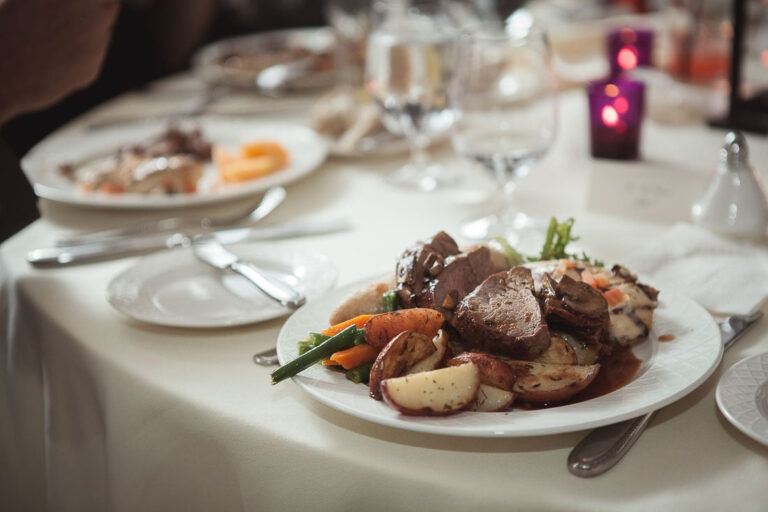
The catering team typically prepares hearty meals that are easy to consume during brief breaks. These meals often include a combination of protein, vegetables, and starch. Vendors like photographers and videographers benefit from meals that can be quickly eaten between important moments on the wedding day.
Meal Options Based on Vendor Roles and Timing
Timing is crucial when planning meals for various professionals. The band, band emcee, and musicians usually eat during the same break as guests. Therefore, their meals should align with the reception dinner service.
- Wedding vendor meals can vary, but they should always be substantial to sustain energy through the evening.
- It’s uncommon for cake to be served as a vendor meal; a hot meal is preferred instead.
- Hair stylists and makeup artists who remain on-site may need to be fed earlier in the day, often before the ceremony begins.
- Included catering for vendors is sometimes part of the catering package; couples should verify this with their caterer to avoid surprises.
Dietary Restrictions and Special Requests
Collecting dietary restrictions and special requests from vendors in advance is just as important as doing so for guests. A vendor meal that respects dietary needs—such as vegetarian, gluten-free, or allergy-conscious options—demonstrates thoughtfulness and professionalism.
The cost of vendor meals is typically calculated on a per person basis, separate from the guest count. This can range from a cold boxed meal to a plated dinner. Coordinating meal breaks for vendors ensures that everyone is fed without missing critical moments like the first dance or cake cutting.

Budgeting for Wedding Vendor Meals: Costs and Tipping Norms
Managing the financial aspects of an event is crucial, especially when it comes to providing meals for professionals. Couples often overlook the costs associated with feeding those who work tirelessly on the big day. Understanding these expenses can help avoid surprises as the wedding day approaches.
The average per person cost for meals provided to professionals typically ranges from $25 to $75. This is significantly less than the meals served to guests, which can vary widely based on the caterer and menu selection. Couples should inquire about vendor meal pricing early in the planning process to effectively incorporate it into their overall budget.
It’s essential to clarify what is included in the catering contract. Some packages cover meals for service providers, while others do not. This distinction can greatly affect the overall cost. Additionally, the service fee applied to the total catering bill often covers the cost of serving vendor meals, but this can vary by company.
When it comes to gratuity, understanding whether a tip is necessary for those receiving a meal can be complex. According to Jaimie Mackey, gratuity should be calculated based on the pre-tax bill rather than the total, which includes service fees. This method ensures that tips remain fair and are not inflated by additional charges.
Mackey suggests that couples allocate a tip percent of 15 to 20 percent of the pre-tax bill for catering staff and other key professionals. This percentage is considered the industry standard for determining appropriate gratuity amounts. The tip vendors receive should reflect the quality of their services throughout the event, and meals should be viewed separately from monetary gratuity.
Understanding the difference between a service fee and a tip is crucial. A service fee typically goes to the company, while a tip is intended for the staff. During high-demand moments, such as the reception and cake cutting, vendors are often working their hardest. Therefore, providing a well-timed meal break is essential to maintain their performance.
Budgeting for both vendor meals and tips together can help couples avoid last-minute financial stress on their wedding day. Here’s a quick overview of costs and tipping norms:
| Cost Item | Average Cost |
|---|---|
| Vendor Meal Cost (per person) | $25 – $75 |
| Gratuity (tip percent of pre-tax bill) | 15% – 20% |
| Common Tipping for Catering Staff | $20 per staff member |
| Delivery + Setup Tips | $5 – $20 per person |

Contractual and Logistical Considerations for Vendor Meals
Understanding the logistical details surrounding meals for professionals is essential for a successful event. Couples should prioritize reviewing contracts to ensure that meal provisions are adequately addressed. This attention to detail can prevent misunderstandings and ensure that everyone involved is well-fed and focused on their tasks.
Reviewing Contracts to Confirm Meal Provisions
Before the wedding day, couples must check the contract of every vendor to determine whether meal provisions are required or simply recommended. Some contracts explicitly state that a meal break must be provided, and failing to do so could result in a breach of agreement.
The wedding planner plays a key role in reviewing contracts and identifying which vendors have meal clauses that need attention. For instance, a photographer or videographer’s contract may specify the timing and duration of their meal break, which must be coordinated with the reception schedule.
Additionally, the caterer’s contract often outlines whether vendor meals are included in the catering package or billed separately on a per person basis. This detail is crucial for budgeting purposes.
Coordinating Meal Delivery and Breaks with Vendors
When the owner of a company is present on-site, their meal requirements may differ from those of their staff, so individual contracts should be reviewed. Coordinating meal delivery involves working with the catering team to ensure vendor meals are served at the right time and in a designated area.
The bill for vendor meals may include a service fee, and couples should understand how this fee relates to the overall gratuity for the catering staff. The tip percent pre-tax calculation should be applied to the pre-tax bill to determine the appropriate tip for vendors who provided exceptional services.
Understanding the percent pre-tax bill helps couples avoid over-tipping on fees that are not part of the actual service cost. The question of whether a tip is necessary for every vendor depends on their role, contract terms, and the level of service provided on the wedding day.
A service fee on the catering bill is not a substitute for a tip; it typically covers administrative costs for the company. Breaks for vendors should be scheduled during natural lulls in the wedding day, such as when guests are eating or during speeches.
The tip vendors receive should be prepared in advance, with labeled envelopes distributed by the wedding planner or a designated person. This organization ensures that all professionals feel appreciated for their hard work.
How Couples and Wedding Planners Can Successfully Manage Vendor Meals
Successfully coordinating meals for professionals is vital for a smooth event experience. Couples and planners must work together to ensure that everyone involved is well-fed without disrupting the event’s flow. This coordination requires careful planning and communication.
Tips from Wedding Professionals
Wedding professionals consistently recommend that couples designate a point person, such as the wedding planner, to manage vendor meal logistics on the wedding day. Jaimie Mackey emphasizes that the most successful events treat vendor meals with the same importance as guest meals.
A well-organized meal schedule prevents vendors from leaving the premises to find food, which can cause delays. Communication is key; vendors should be informed in advance about when and where their meals will be served.
Additionally, the wedding planner should coordinate with the catering team to have vendor meals ready during the first wave of guest dinner service. The photographer and band emcee often have conflicting schedules, so their meal breaks must be staggered to ensure continuous coverage of the reception.
Ensuring Everyone is Fed Without Disrupting the Event Flow
The band can eat during a set break, while cake cutting or other planned events provide natural pauses for other vendors. Ensuring everyone is fed without disrupting the event flow requires a detailed timeline that accounts for each vendor’s break.
The tip vendors receive should be distributed after the meal service, allowing couples to express gratitude for the team’s hard work. The tip percent pre-tax calculation should be finalized before the wedding day, with checks or cash prepared in advance.
The percent pre-tax bill method simplifies the tipping process and ensures consistency across all service providers. A service fee on the catering bill does not eliminate the need for a tip; couples should clarify with the owner of the company what is included.
The question of whether a tip is necessary for the catering staff is almost always answered with a yes, given the intensity of wedding day services. Reviewing the contract and checking the pre-tax bill helps couples avoid double-tipping or overlooking gratuity for key vendors.
The wedding planner can serve as the liaison between the couple and the catering company to ensure all vendor meal details are executed flawlessly.
Conclusion: Key Takeaways for Providing Effective Wedding Vendor Meals
A successful event hinges on the thoughtful consideration of those who contribute behind the scenes. Every couple planning their event should prioritize meals for professionals as a vital part of the budget and timeline. Providing nourishment to the team is a sign of respect that enhances the quality of services delivered.
Jaimie Mackey emphasizes that a well-fed team translates to a smoother experience. The per person cost for these meals is a small investment compared to the value of having energized professionals managing every detail. Couples should collaborate closely with their planner and catering company to finalize meal counts and menus well in advance.
By addressing the needs of all involved, couples can avoid common pitfalls such as service delays and misunderstandings. Ultimately, successful weddings are built on collaboration, and feeding the team that makes it all happen is essential.
FAQ
Why are meals for vendors important on the wedding day?
Meals for professionals working at the event are crucial for maintaining their energy and focus, ensuring they can provide top-notch services throughout the day.
Who qualifies for a meal during the event?
Essential professionals typically include the photographer, videographer, band, and makeup artists, among others, who are present for the entire duration of the celebration.
What should be served to the vendors?
Vendor meals can be simpler than guest meals, often consisting of hearty, easy-to-eat options like protein, vegetables, and starches, tailored to fit their busy schedules.
How much should couples budget for vendor meals?
The average cost for vendor meals usually ranges from to per person, depending on the caterer and menu selection.
Is it necessary to tip vendors who receive a meal?
Tipping is often encouraged and should be based on the pre-tax bill, typically around 15 to 20 percent, to reflect the quality of service provided.
How can couples coordinate meal delivery for vendors?
Couples should work closely with their catering team and wedding planner to ensure meals are served at appropriate times, minimizing disruption to the event flow.
What if a vendor has dietary restrictions?
It’s important to collect dietary needs in advance for all professionals, just as with guests, to ensure everyone is accommodated appropriately.
Can vendor meals be included in the catering contract?
Some catering packages may include meals for vendors, but it’s essential to verify this in the contract to avoid unexpected costs.
How can couples ensure all vendors are fed without delays?
A detailed timeline that accounts for each vendor’s meal breaks can help ensure that everyone is fed during natural pauses in the event.
What should couples do if they are unsure about meal provisions for vendors?
Couples should review each vendor’s contract and consult with their wedding planner to clarify any meal requirements and ensure compliance with agreements.